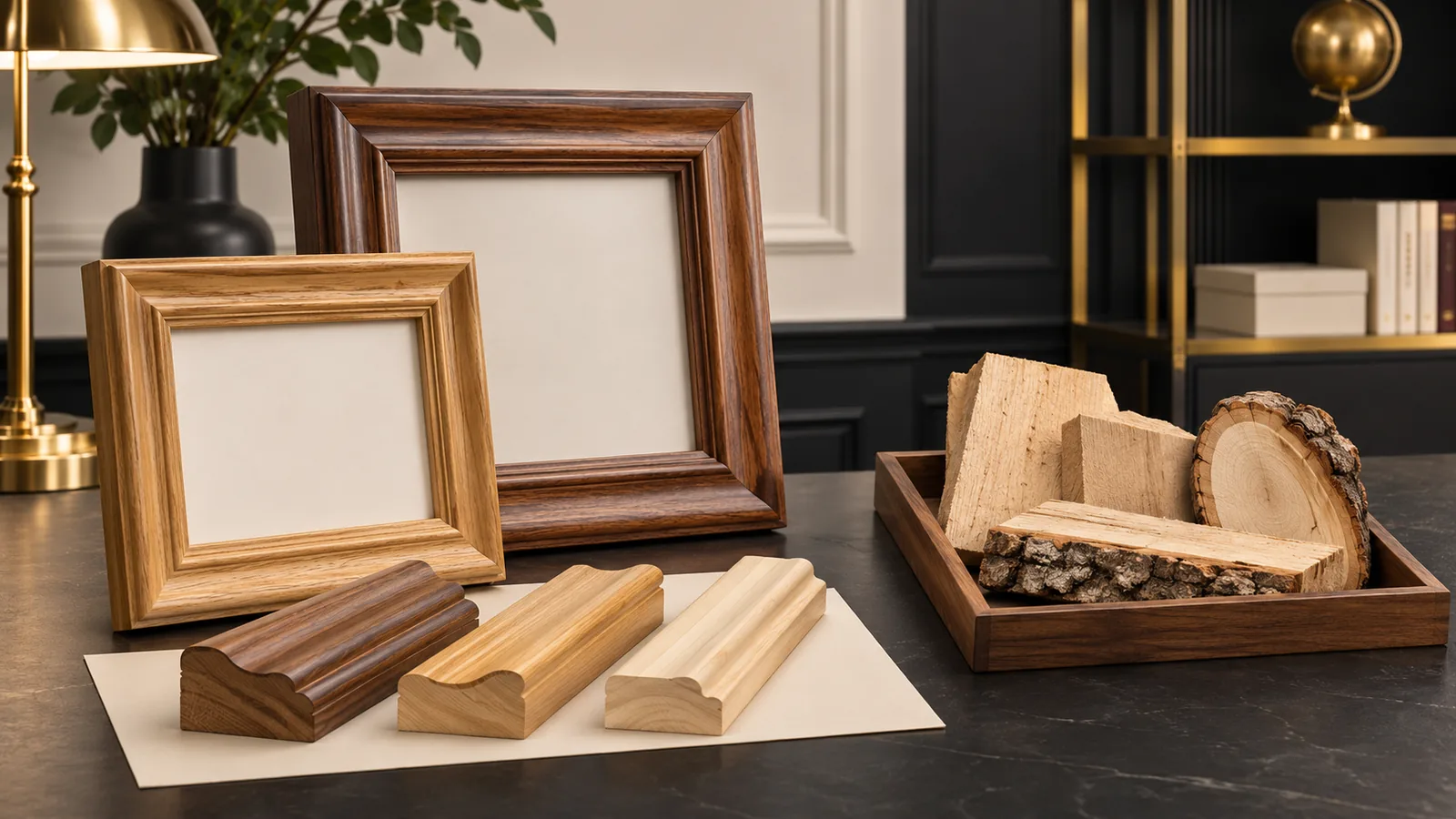
Canada's plant-health directive lists routered wooden picture frames among processed commodities exempt from its phytosanitary import requirements. That sentence is valuable, but it is easy to overextend. A bark-edged rustic frame, rough wood insert, unfinished moulding blank or solid-wood crate can create a different route even when the sales team calls everything a picture frame.
This guide is for Canadian importers, frame brands, retailers, galleries, procurement teams and overseas OEM/ODM factories. It turns CFIA Directive D-02-12 and current wood-packaging guidance into a processed-versus-unprocessed handover. It does not issue an AIRS decision, identify pests, approve treatment or determine whether a particular product is admissible.
What does CFIA Directive D-02-12 cover?
The directive addresses non-processed wood, other wooden products, bamboo poles and bamboo products from areas outside the continental United States. It aims to reduce the introduction and spread of forest pests. It lists import conditions, treatments and commodity examples, and directs users to the Automated Import Reference System for current requirements.
The directive also identifies processed materials whose manufacturing significantly reduces their ability to provide pest habitat. Examples include fibreboard, particleboard, plywood, veneer, pre-shaped moulding, finger-jointed wood and routered wooden picture frames. The exemption is tied to the real material and processing, not the product title on an invoice.
What are Canadian frame buyers asking?
Practical questions include: “Is every finished frame exempt?”, “What does routered mean for our profile?”, “Can a live-edge frame keep bark?”, “Are loose moulding samples treated like finished frames?”, “Does an MDF back change the route?”, “Who checks AIRS?”, “Is the export pallet covered by the same directive?” and “What evidence should the supplier sign?”
These are editorial inferences from CFIA guidance and normal importer-factory handovers. They were not captured from Google AI Overviews or AI Mode. Google Search Central recommends reliable, people-first content with clear sourcing, so this guide explains boundaries without inventing an authority decision.
Describe the frame as manufactured
Record the wood species or material where known, profile shape, machining, routing, sanding, joining, coating, sealing, backboard, glazing, decorative additions and packed condition. Add photographs of the front, back, rebate, corner joint and profile cross-section. State whether the product is new and commercially manufactured.
A polished photo does not show whether bark remains or whether a hidden spacer is raw. A bill of materials and close-up photographs let the importer compare the real product with the directive and AIRS route.
Understand the processed-product examples
CFIA's exempt list includes materials transformed by glue, heat, pressure, shaping or commercial processing. Routered frames, pre-shaped moulding and engineered boards are examples because their manufacture generally reduces pest habitat. This is a phytosanitary concept, not a claim about quality, sustainability or chemical safety.
Do not convert the list into a generic certificate saying “all wood is exempt.” The supplier should name the SKU, material and process. The Canadian importer should confirm whether the description fits the current official route.
Keep routered moulding facts visible
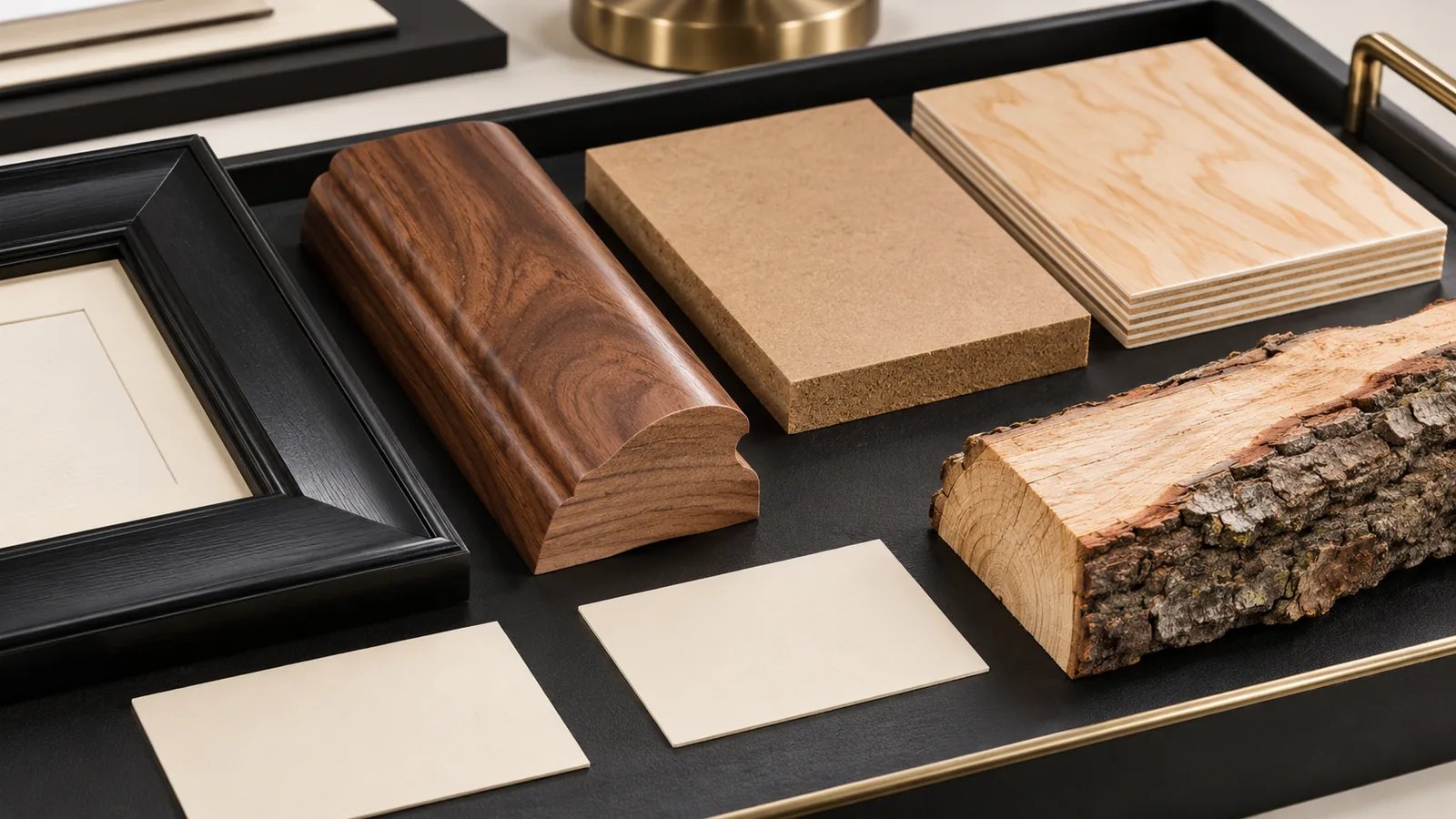
For a routed or shaped solid-wood moulding, record the supplied profile, machining steps, surface finish and whether bark, cambium or rough natural edges remain. Finished mitred corners and sealed surfaces are useful visual evidence. Keep the moulding supplier and revision with the frame SKU.
If the profile is merely sawn to size and left rough, do not call it routered for convenience. Ask the importer whether it falls under sawn wood or another regulated category. Terminology must match manufacturing reality.
Separate engineered backboards from solid wood
MDF, particleboard, plywood and similar processed boards appear in the directive's exempt examples. A finished frame can therefore contain several processed wood forms. Identify them separately so the importer does not assume the decorative moulding is MDF simply because the backboard is.
Composite-wood chemical requirements such as formaldehyde rules are a separate compliance system. A board can be low phytosanitary risk while still needing other evidence. Keep plant-health, product-safety and chemical files distinct.
Escalate bark and live-edge designs
Bark can harbour pests and is specifically important in plant-health controls. A live-edge award plaque, bark-covered shadow-box insert or rustic branch frame should be screened before quotation. The directive sets bark tolerances for routes that require debarking, but an OEM should not apply those technical conditions without confirming the commodity category.
If the design can be achieved with a carved, printed or textured finish on processed wood, present that alternative. If genuine bark is essential, obtain the importer's written route, treatment and documentation requirements before producing samples.
Review decorative natural materials
Wooden frames sometimes include cones, seed pods, moss, reeds, bamboo, dried flowers or animal-origin materials. Those additions may be regulated separately. A routered outer frame does not exempt the biological display inside it.
Create a complete natural-material list and country-of-origin record. For samples, use inert substitutes unless the real material is needed for approval and the importer has confirmed admissibility. Do not hide natural decorations under the generic description “frame accessories.”
Route loose moulding and sample blocks independently
A completed picture frame, a shaped corner sample, a long moulding length and a rough species block may be four different commodities for plant-health purposes. List each item on the invoice and provide photographs. Ask the importer to confirm the route for every sample type.
Do not add a raw wood block to a courier parcel because the buyer wants to “see the grain” without notifying the importer. Use a finished, shaped and sealed sample where it answers the design question, or obtain the appropriate treatment and documentation.
Use AIRS as a current routing check
CFIA directs importers to the Automated Import Reference System because requirements can depend on commodity, origin, destination and end use. The importer or broker should run the current query using accurate facts and preserve the result or routing note used for the shipment.
The overseas factory can prepare species, process, origin and product descriptions, but it should not guess the Canadian AIRS selection. Recheck when the source country, species, product condition or intended use changes.
Make supplier declarations factual
A useful declaration names the legal manufacturer, facility, buyer SKU, product description, wood or board type, processing steps, bark status, new condition, production dates or lots and authorised signatory. It can attach representative photographs and a bill of materials.
Avoid unsupported phrases such as “CFIA certified,” “pest free forever” or “no documents required.” A factory inspection reduces risk but does not bind the authority. The importer should specify the declaration wording it needs for the approved route.
Apply cleanliness controls before packing
Even processed goods should be stored and packed to prevent soil, insects and plant debris from entering the shipment. Inspect rebates, frame cavities, backboards, cartons, wrapping and the loading area. Keep doors closed where practical and separate finished goods from raw lumber storage.
Photograph representative clean products and loading conditions. If a live insect or suspicious debris is found, isolate the affected lot and investigate rather than brushing it away and continuing. Do not make a species identification or treatment decision without competent support.
Keep wood packaging under its own rule
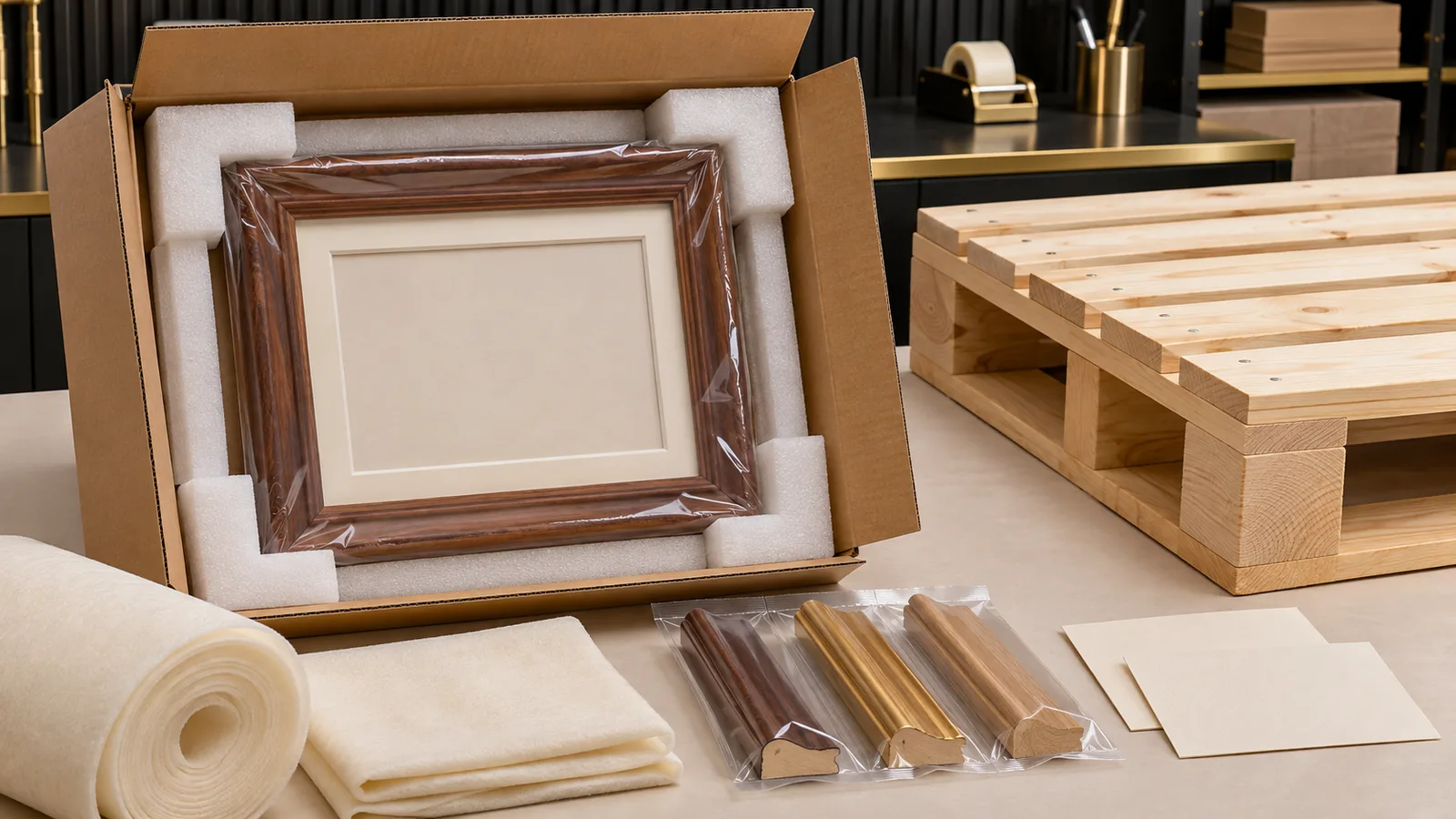
CFIA's wood-packaging guidance covers pallets, crates, dunnage, spacers, bearers and bracing. These transport materials follow a separate plant-health route, commonly associated with ISPM 15. The exemption for a routered picture frame does not extend to a solid-wood pallet.
Record packaging material, treatment provider, mark status and inspection separately. Processed-wood packaging such as plywood may follow a different path from solid wood. The logistics team should check the actual load rather than relying on a purchase-order note.
Align invoice, packing list and product file
Use a precise commercial description agreed with the importer, such as new commercially manufactured routered wooden picture frames with MDF backing, rather than “home décor” or “wood samples.” List loose components separately. Quantities, SKUs and origin facts should match the product file.
If a phytosanitary certificate, treatment certificate or permit is required for a component, ensure it covers that commodity and shipment. Never alter an official document or reuse one from another supplier. Raise discrepancies before booking.
Handle mixed origins and third-country processing
A frame can use timber harvested in one country, moulding made in another and final assembly in a third. Plant-health origin and customs origin may not answer the same question. Provide the full supply-chain facts and let the importer determine the required declaration route.
If goods are re-exported through the continental United States, the directive contains specific clarification. Do not assume U.S. transit automatically converts the product into U.S. origin or removes requirements. Ask the importer and broker to review the actual movement.
Control supplier and design changes
Require advance notice before changing species, moulding supplier, machining, bark status, engineered board, natural decoration, factory or packaging. A rustic redesign can move the product from a processed example into a regulated route even when the outer dimensions remain unchanged.
Connect the change to sample approval, AIRS review, documents and effective lot. Archive the previous decision and do not apply it automatically to the revised SKU.
Plan for inspection and corrective action
Consignments can be inspected, and products that do not match their route or are contaminated may be held. Name the Canadian contact, broker, supplier escalation owner and commercial decision maker. Decide who can approve treatment, return, destruction or other authority-directed action.
Preserve the goods and records while instructions are obtained. Do not relabel, remove bark or repack held items without approval. Use the incident to update the product and supplier controls rather than treating it as a paperwork-only problem.
Put the import boundary into the commercial brief
The approved quotation should identify the processed frame construction, permitted engineered boards, excluded bark or natural additions, sample format and packaging route. Mark any unresolved AIRS or treatment question as a buyer gate. This makes the compliance boundary visible to design, sourcing and logistics instead of leaving it in a broker email.
Agree who pays for treatment, storage, examination, return or destruction if the supplied goods do not match the approved description. Delivery terms can allocate cost and risk, but they do not create plant-health admissibility. Do not price a rustic substitution until the Canadian importer has accepted its route.
Verify the first receipt and retain the learning
At receiving, compare the frame profile, backboard, natural materials and pallet with the approved file. Record any hold, inspection question or packaging discrepancy and connect it to the production lot. A short receiving review makes reorders safer and helps distinguish a one-off cargo issue from a product-description problem.
Canada wooden-frame handover checklist
- The finished SKU has an accurate material and manufacturing description
- Front, back, profile, rebate and packed-unit photographs are current
- Routered or pre-shaped moulding is distinguished from rough sawn wood
- MDF, particleboard and plywood components are identified separately
- Bark, live edges and natural decorations are escalated before sampling
- Finished frames, moulding lengths and raw sample blocks are routed separately
- The Canadian importer or broker has checked the current AIRS path
- Supplier declarations state facts without claiming CFIA approval
- Finished goods are protected from soil, pests and plant debris
- Pallets, crates, dunnage and braces have a separate wood-packaging route
- Invoice and packing-list descriptions match the actual goods
- Material, process and supplier changes trigger a new review
Experience scope and project limits
Editorial review: Jessica, Founder & Project Advisor at DOREMI Display. Updated 19 November 2026. Jessica's practical scope covers wooden frame briefs, OEM/ODM samples, material descriptions, packaging, production communication and buyer-supplier handovers. She is not presented as CFIA, a plant-health inspector, entomologist, treatment provider, customs broker or Canadian lawyer.
The Canadian importer, broker, CFIA and qualified advisers must determine the AIRS selection, commodity category, permit, certificate, treatment, inspection and response for the actual shipment. This guide prepares product and supplier facts; it is not an AIRS ruling, phytosanitary certificate, import permit or release guarantee.