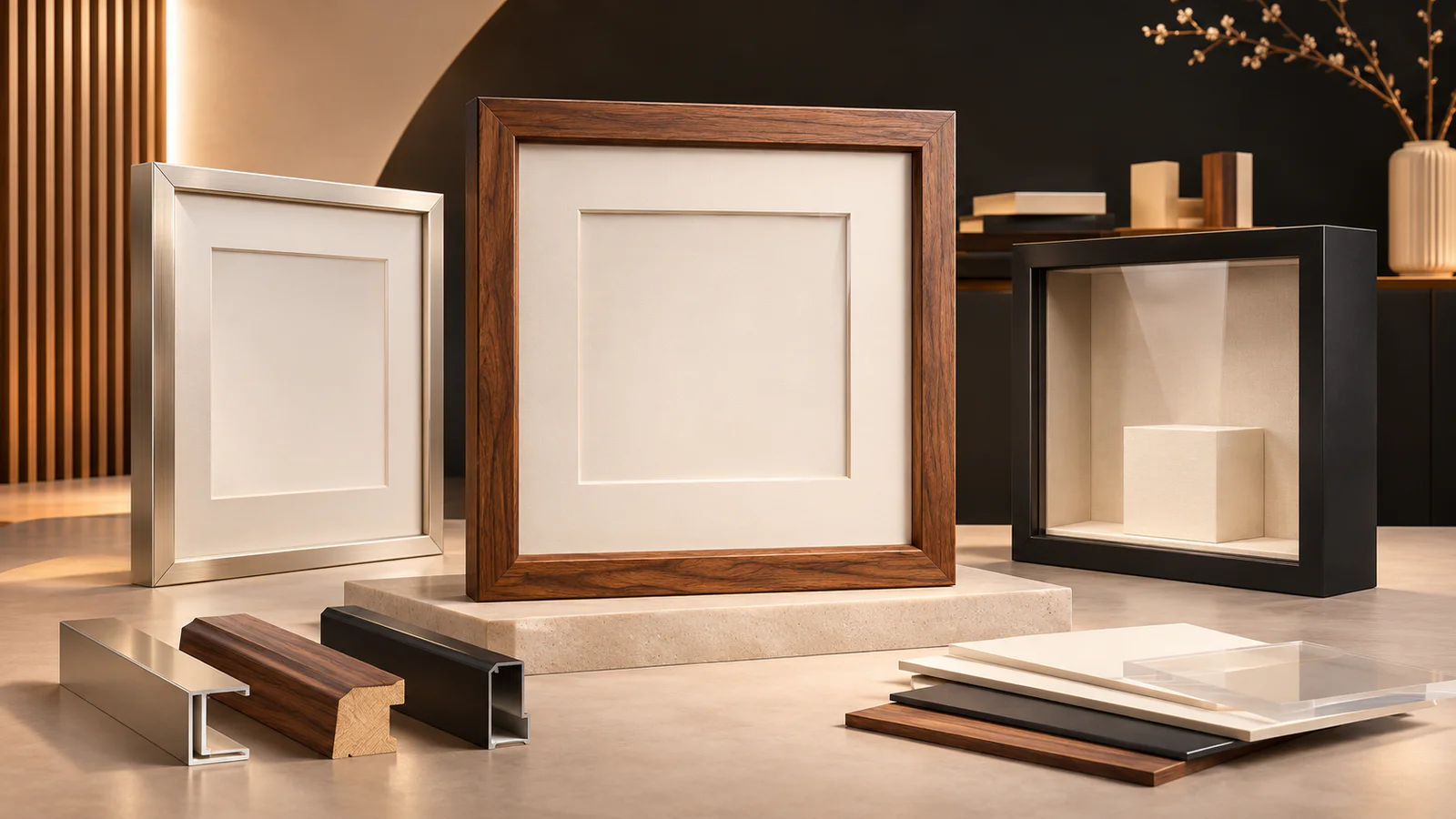
A distinctive frame profile, shadow-box depth, stand, decorative corner or product family can be copied long before a buyer recovers development cost. Since 1 July 2026, the modernised EU design framework is fully applicable. The reform changes filing terminology, multiple-design applications, representations, publication deferment, fees and other procedures that affect how brands should capture an OEM project.
This guide is for EU importers, private-label frame brands, retailers, licensed-merchandise teams and overseas OEM/ODM factories. It turns current EUIPO guidance into a design-to-supplier handover. It does not determine novelty, individual character, ownership, infringement or the protection available in a particular country.
What changed on 1 July 2026?
EUIPO states that the modernised framework became fully applicable and operational on 1 July 2026. The codified European Union Design Regulation now works with new delegated and implementing regulations. Phase II brought procedural changes including broader representation formats, abolition of the unity-of-class requirement for multiple applications, revised deferment mechanics and updated fees.
The reform does not mean every display frame is automatically protected or that filing guarantees enforceability. Buyers still need a clear design, ownership chain, disclosure plan and professional search and filing advice. The operational improvement is that design capture can now be planned more deliberately around product families and launch timing.
What are buyers trying to decide?
Typical questions include: “Can our wall frame, desk stand and shadow box share one application?”, “Which views should the factory photograph?”, “Can we show animation or changing states?”, “When should publication be deferred?”, “Who owns the supplier’s profile adjustment?”, “Does an online quotation disclose the design?” and “Does the repair clause allow complete copies?”
These questions are editorial inferences from EUIPO and WIPO resources and ordinary product-development work. They were not taken from Google AI Overviews or AI Mode. This guide focuses on the facts a buyer and supplier can control while reserving legal conclusions for qualified EU design counsel.
Define the protectable design, not just the SKU
Separate the visual features that create the product’s appearance from functional specifications and marketing artwork. Record frame profile, proportions, visible joints, surface pattern, stand geometry, shadow-box arrangement, ornament, glazing edge, backing appearance and any modular relationship that is part of the intended design.
A SKU sheet may contain colour, size, packaging and price but still fail to show the claimed visual features clearly. Create a design record for each concept and link it to the commercial SKUs that use it. Do not assume the product name defines the legal subject matter.
Capture a product family before filing
The reform removed the requirement that all designs in a multiple application belong to the same Locarno class, while introducing a maximum of 50 designs per application. This can help a frame programme group related but distinct designs, subject to professional advice on filing strategy and cost.
List each candidate as a separate design: wall frame, freestanding version, deep shadow box, modular medal insert, corner ornament, stand and packaging form. Do not compress materially different products into one ambiguous image. A multiple application still needs clear representations and a conscious decision about which variants deserve protection.
Choose representations that disclose the right features
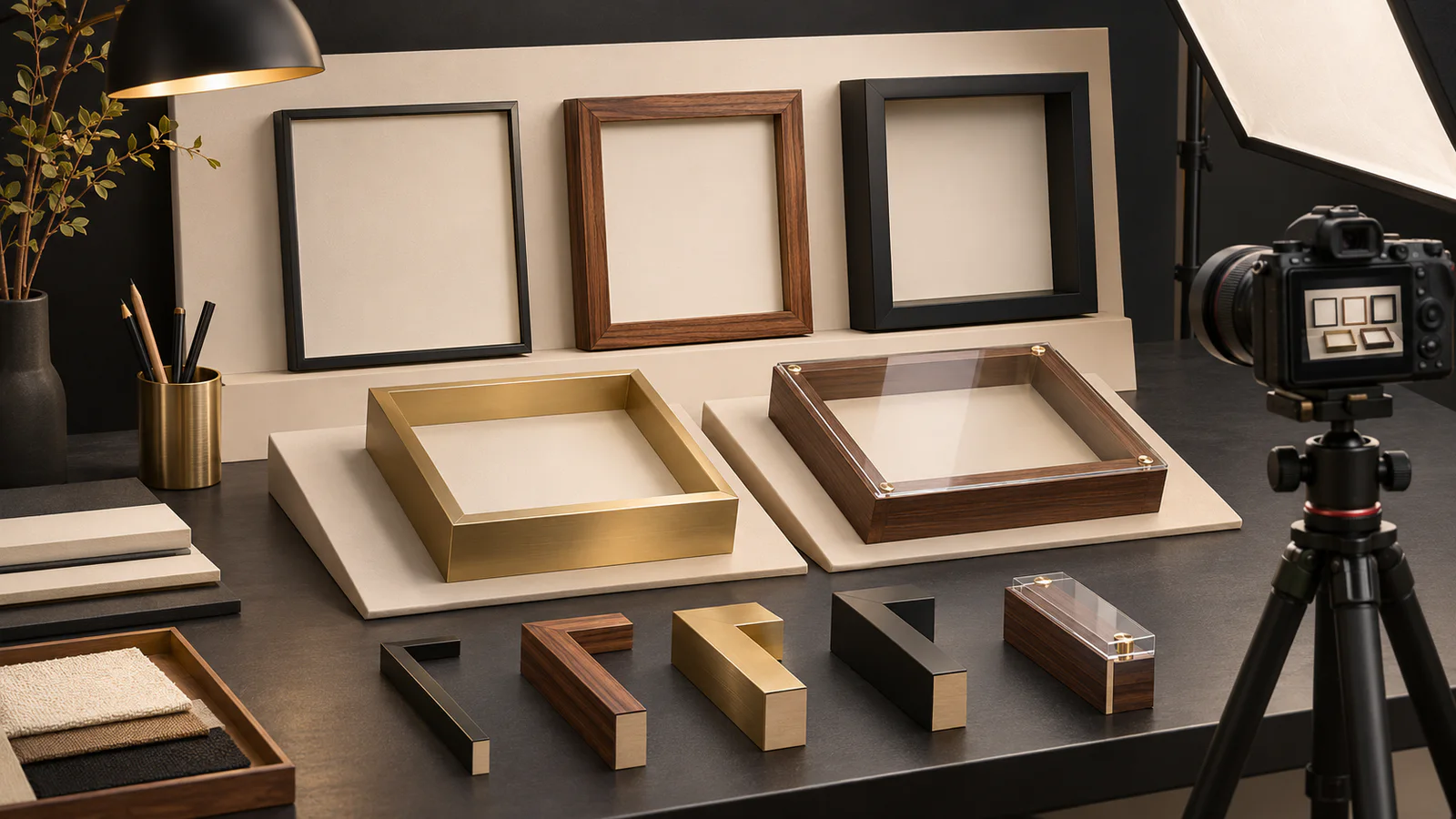
EUIPO guidance allows representations using drawings, photographs, videos, computer imaging or computer modelling. The filing team should decide which format shows the design consistently without adding backgrounds, objects or visual noise that makes the subject unclear.
For a frame, prepare clean front, rear, side, perspective and detail views as advised. Use the same design and finish logic across views. Remove brand copy or displayed artwork unless it is intentionally part of the design being claimed. A lifestyle photograph may sell the product but can be a poor legal representation.
Control confidentiality before public disclosure
Product development spreads files across sourcing platforms, factory chats, sample couriers, retailers and trade shows. Map every disclosure and use confidentiality terms appropriate to the relationship. Ask counsel how the EU grace period applies to the planned disclosure; do not treat it as a routine reason to publish first and file later.
Use named access, dated files and a disclosure log. Mark prototypes and supplier packs consistently. An NDA is useful only when the parties, confidential material, permitted use and remedies are clear. It does not replace a filing strategy.
Use deferment as a launch decision
An EU design may be kept unpublished for up to 30 months when deferment is requested at filing. Under the reformed procedure, the deferment fee must be paid at filing. EUIPO also explains that preventing automatic publication requires explicit surrender in time; simply declining a later publication fee is no longer the control.
Set a calendar for filing, intended launch, retailer preview, publication review and surrender decision. Assign an owner at least several months before the deadline. A product manager leaving the company should not be the only person who knows the design is due to publish.
Put ownership into the design brief
State who supplies the initial concept, who creates CAD or renderings, who pays for tooling, who owns supplier improvements and who may reuse profiles, fixtures or packaging structures. Distinguish background know-how from project-specific design rights and licensed artwork.
Do not rely on the invoice word “custom.” A factory can make a buyer-specific item without transferring every right. Have counsel prepare the agreement, and connect it to drawings, revision numbers and approved samples so the contract points to an identifiable design.
Separate design rights from trademarks and copyright
A frame programme can contain several rights: product appearance, brand name, logo, artwork, photographs, CAD, packaging graphics and licensed memorabilia. An EU design filing does not automatically transfer or clear all of them. Build a rights matrix naming owner, permitted use, territory, term and approval route.
For jersey, vinyl or award displays, the item placed inside the frame may belong to another rights holder. Do not include third-party marks or artwork in filing images unless counsel has confirmed the purpose and authority. Use neutral inserts for product-shape documentation.
Understand the repair-clause boundary
The reform establishes a permanent EU-wide repair clause for form-dependent component parts used to restore the original appearance of a complex product. This is a defined legal exception, not a general permission to copy a finished frame, decorative profile or entire product family.
Ask counsel whether a replaceable glazing retainer, stand, clip or other component is a component part of a complex product and how the clause applies. Keep functional replacement strategy separate from claims over the overall visible design. Avoid broad sales statements such as “spare parts are unprotected.”
Link tooling without confusing it with ownership
Tooling payment, physical possession and design ownership are separate questions. Record who owns extrusion dies, cutting fixtures, moulds, embossing plates, print cylinders and inspection gauges; where they are stored; who maintains them; and whether they may be used for other customers.
Mark tools with project identifiers and retain photographs. If the buyer moves production, the contract should address transfer, technical files and outstanding balances. Owning a die alone does not prove ownership of every design made with it.
Use the golden sample as evidence, not the only record
A physical sample shows appearance better than some drawings, but it can be lost, damaged or altered. Photograph it under controlled light, record dimensions, finish, profile, hardware and revision, and connect it to the submitted representations. Seal and store the approved sample with access history.
If mass production introduces an agreed tolerance or construction change, decide whether the registered representation still corresponds to the marketed design and whether a new filing is advisable. Do not silently replace the reference sample.
Manage surface and colour variants deliberately
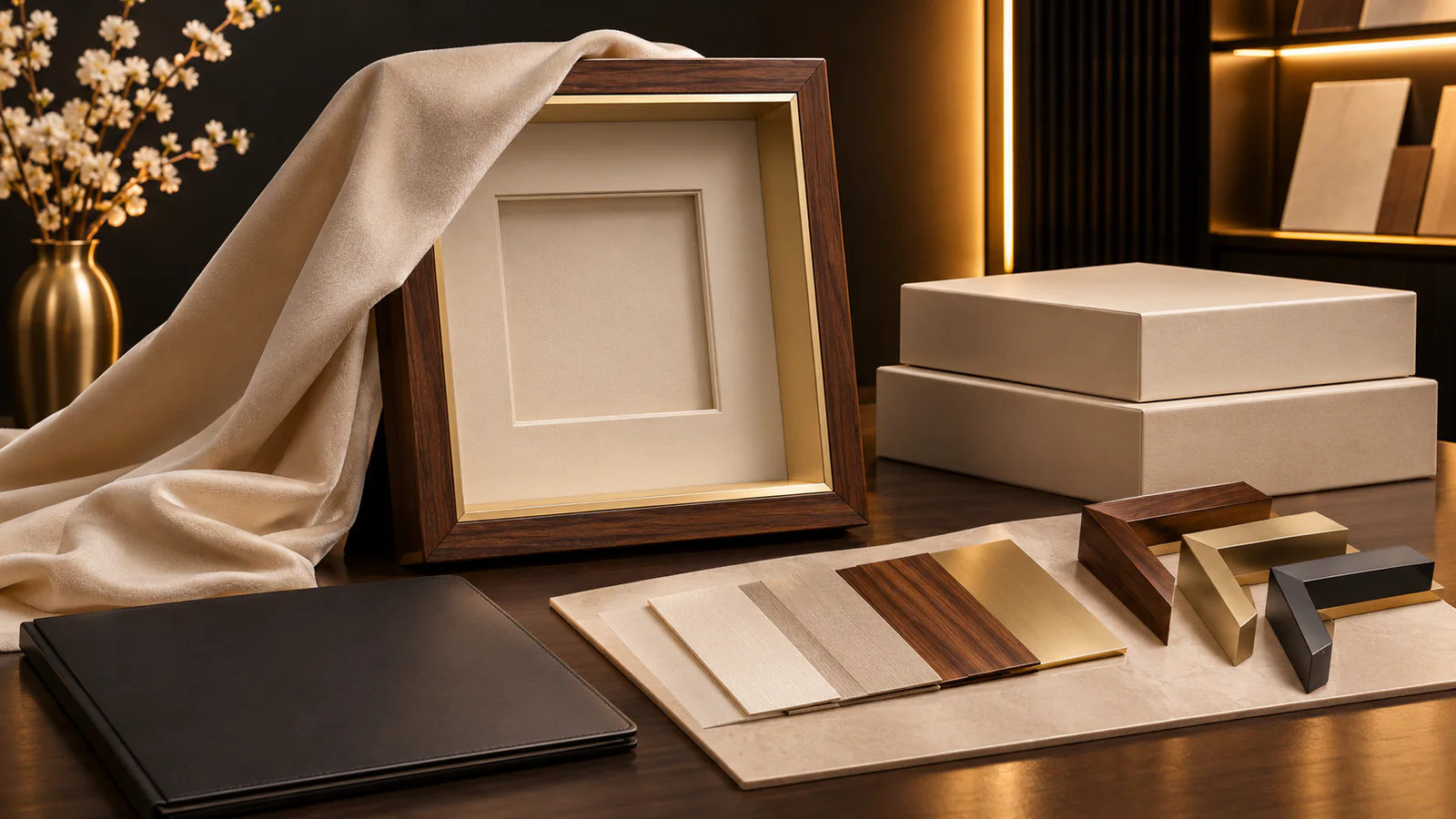
Black, walnut, brushed gold and custom printed finishes may create distinct commercial variants. Ask the filing professional whether colour or surface decoration should form part of the claimed design and whether monochrome or multiple representations better support the strategy.
The supplier should identify which layers create appearance: substrate, wrap, anodising, powder coat, print, engraving or applied ornament. A finish change approved as “colour only” may still matter to the design portfolio and marketplace comparison.
Prepare for online copying and evidence collection
Before launch, archive the approved product images, publication date, product pages, catalogues and distributor releases. If a suspected copy appears, preserve the URL, date, seller identity, screenshots and purchased sample where appropriate. Do not send allegations from the factory chat without rights-holder approval.
Enforcement is a legal and commercial decision. The product team’s role is to maintain reliable evidence and avoid public statements that exceed counsel’s conclusion. Marketplaces may ask for registration details and proof of ownership, so keep the current portfolio accessible.
Coordinate EU and international filing routes
Brands selling beyond the EU may consider national applications or WIPO’s Hague System. WIPO notes that amendments effective 1 July 2026 allow creator information to be recorded or updated in the International Register using the required procedure. This administrative option does not decide who owns a design or which territories should be selected.
Build a market list based on launch, manufacturing, enforcement and budget. Ask qualified counsel about priority deadlines and country-specific requirements. Do not assume one EU filing creates worldwide protection.
Control supplier and product changes
Require advance notice for profile, joint, ornament, stand, backing, glazing edge, visible hardware, finish and packaging changes. Route each through design, quality and IP review. The supplier should not “improve” visible features during production without a documented decision.
Connect the change to CAD, sample, product photography, filings and commercial release. Archive superseded versions. This helps the buyer show what was developed, when it changed and which design reached the market.
Schedule clearance before commercial commitment
A registration strategy should not hide the separate risk that the proposed frame may conflict with earlier rights. Give counsel enough time to review the target markets, known competitors and relevant design landscape before the buyer orders dedicated tooling or promises exclusivity to a retailer. A supplier statement that a profile is “new” is useful background, not a professional clearance result.
Record what was searched, by whom and against which design revision. If the concept changes after clearance, decide whether the change is material enough to require another review. Do not circulate search results broadly or use them as marketing proof. The objective is a documented commercial decision, not a claim that no third-party right could ever exist.
Assign portfolio ownership after launch
Name the person who monitors renewal dates, publication, assignments, licence changes and discontinued products. Review whether each design is still used, whether the registered owner remains correct and whether the visual record matches current production. Connect portfolio decisions to product lifecycle and inventory rather than leaving them solely in an external adviser’s calendar.
When a range is retired, preserve the development and market evidence for the period counsel recommends. A discontinued design may still matter to enforcement, licensing or a future reissue. Do not discard prototypes and dated image files merely because the e-commerce page was removed.
EU design handover checklist
- Design features are separated from functional specifications and marketing art
- Every product-family member has a named design record
- Representations show the same design clearly across views
- Disclosure, confidentiality and filing dates are mapped
- Deferment fees and publication/surrender deadlines have owners
- Designer, buyer, factory and licensee ownership is documented
- Tooling possession is not confused with design ownership
- Golden samples link to dated digital records
- Repair-clause questions are routed to counsel
- Changes trigger design-portfolio review
Experience scope and project limits
Editorial review: Jessica, Founder & Project Advisor at DOREMI Display. Updated 20 November 2026. Jessica’s practical scope covers custom-frame briefs, OEM/ODM samples, material and finish development, packaging and buyer–supplier communication. She is not presented as EUIPO, WIPO, an IP office, patent/design attorney or infringement expert.
The rights holder and qualified advisers must determine authorship, ownership, novelty, individual character, disclosure, filing format, territories, repair-clause application and enforcement. This guide organises product and supplier evidence; it is not a clearance search, filing service, registration promise or legal opinion.