
A Wi-Fi digital photo frame can be a hybrid product in Malaysia: its main commercial purpose is visual display, while an integrated wireless module connects it to radio and communications requirements. The market-access file must connect that hybrid-product decision to the approval method, technical evidence, local certificate holder, self-labelling, import documentation, adapter screening and the exact production model.
This guide is for Malaysian importers, distributors, private-label brands, retailers and overseas OEM suppliers. It is an operational handover, not MCMC or SIRIM approval, a Certificate of Approval, import permit, product-safety certificate, tariff ruling, customs clearance or legal advice. The Malaysian applicant and qualified conformity professionals must confirm the live requirements, technical codes, accepted reports, label method and shipment process for the exact configuration.
Why can a digital photo frame be a hybrid product?
SIRIM QAS describes a hybrid product as equipment with multiple features subject to multiple requirements, including non-communications products integrated with a communications module. Its public information says hybrid products using radio communications can require type approval under Malaysia's communications framework. A Wi-Fi frame fits that commercial pattern even though buyers may think of it first as home décor or a gift.
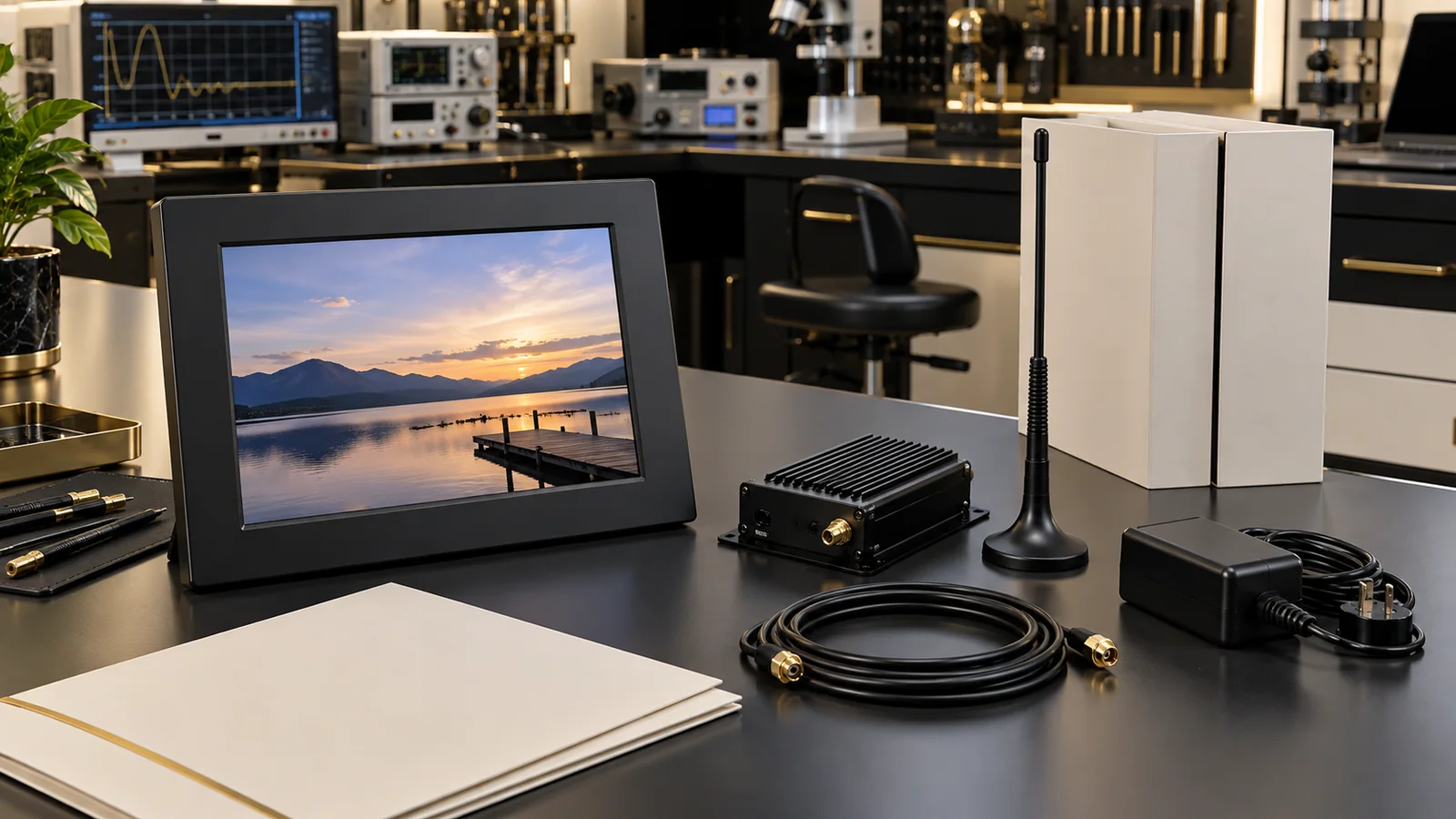
Write down the finished product's principal function and every communication interface. Record Wi-Fi and Bluetooth bands, module, antenna, firmware, display electronics, ports, adapter, battery if any and intended user environment. Ask SIRIM QAS or the responsible Malaysian specialist to confirm the current category and applicable technical codes. Do not infer scope from a supplier's generic certificate list.
Separate type approval from special approval
SIRIM QAS lists type approval for commercial communications and hybrid equipment and special approval for limited purposes or circumstances. Its personal-application material is aimed at individual imports and does not create a route for a routine retail programme. A commercial buyer should decide the normal approval route before production stock is booked.
Map the purpose of each inbound shipment. Certification samples, research units, exhibition units, repairs and saleable goods may follow different procedures. The importer should confirm any special approval or clearance letter when it is genuinely applicable. Do not split a saleable order into small parcels to imitate a personal or sample route.
Choose module, host or complete-system approval deliberately
The SIRIM hybrid-product booklet describes module approval, end-product or host approval and complete-system approval. These options are not interchangeable shortcuts. The correct approach depends on the module's approval status, integration, host functions, technical codes and the commercial product that reaches the user.
Create a decision table showing the module, host board, antenna, firmware, adapter and final brand and model. Ask what evidence transfers from the module, what host testing remains, how the finished product is registered and which party holds the approval. A radio module installed in a new enclosure with a different antenna or power design should not be treated as unchanged without review.
Assign the Malaysian certificate holder and importer
SIRIM QAS operates as an MCMC-appointed certifying agency and provides online approval services through e-ComM. Before testing begins, identify the eligible applicant, certificate holder, importer, brand owner and overseas manufacturer. Their responsibilities may overlap, but they should not remain ambiguous.
Document who submits the application, owns the approval, authorizes the self-labelling information, obtains import documentation, pays fees, handles renewals and answers surveillance questions. The OEM should supply evidence and change notices, while the Malaysian business controls representations made to authorities and customs. If the distributor changes, pause new artwork until the consequences are confirmed.
Build the test file around Malaysia's technical codes
MCMC's Short Range Devices technical code describes frequency and power conditions for relevant short-range equipment and states that it supports certification under the communications regulations. The applicable technical requirements depend on the actual bands and functions. A CE or FCC report may contain useful measurements but does not automatically prove Malaysian compliance.
Ask for a written test plan identifying each enabled radio mode, applicable code and standard, accepted laboratory, sample firmware, antenna and accessory configuration. Confirm whether existing reports can be accepted, reviewed or supplemented. Keep the standard editions and laboratory scope with the final report so the next team can understand what was actually evaluated.
Control the sample and technical documents
The application set should consistently identify the finished model, manufacturer, brand, module, antenna, firmware and power arrangement. Prepare a specification, photographs, block diagrams, circuit information as required, user manual, report index and authorization documents. Use one controlled revision across all files.
Do not send a certification body a folder of unrelated component certificates and expect it to reconstruct the product. Provide a comparison for every planned variant. If the sample is an engineering unit, record how it differs from production and close those differences before approval or artwork release.
Plan self-labelling as a controlled production step
SIRIM QAS describes the Self-Labelling Program for certificate holders to prepare certification labels, including surface and electronic labelling where permitted. The label belongs to an approval workflow; it is not a decorative trust badge. The certificate holder should release the correct identifier and method for the exact approved product.
Create a label schedule showing data source, owner, artwork file, location, size, durability method and production checkpoint. Verify the label on the actual frame, package and electronic interface if an e-label method is approved. Never copy a SIRIM or MCMC identifier from another model, and never display an invented mark in sales renders.
Connect type approval to the import permit process
SIRIM QAS states that it also supports Certificate of Approval or import-permit processing for communications and multimedia products as an authorized cross-border body. Approval and shipment release are related but distinct. The importer should determine what e-Permit or customs documentation is required for each commercial shipment.
Before dispatch, align the certificate holder, importer, approval number, brand, model, tariff classification, origin, quantity, invoice and packing list. The supplier can prepare accurate data, but the Malaysian importer and broker own the live permit and customs process. Do not claim that a product certificate alone guarantees border release.
Screen electrical safety and the external adapter separately
The SIRIM hybrid-product booklet recognizes that hybrid equipment can face communication, safety and other requirements. A digital frame's external power adapter, plug, cable, battery or mains-connected design may require a separate safety determination or additional technical evidence. The communications approval should not be treated as blanket approval of every electrical component.
Record the adapter manufacturer, model, ratings, plug, cable, protection class and supported frame models. Ask the responsible Malaysian reviewer which Energy Commission, SIRIM or other product-safety controls apply. If a locally sourced adapter will replace the factory option, route that change through both safety and finished-product approval review.
Prepare customer information for the actual model
The user manual should match the shipped hardware, software and accessories. Cover power connection, setup, wireless functions, reset, stand or mounting method, cleaning, troubleshooting and service access as relevant. Remove references to unsupported bands, another market's plug, unavailable features or a different app build.
Ask the Malaysian business to confirm required language, warnings, importer data and service information. If electronic instructions or a QR code are used, validate their ownership and availability. Maintain a printable controlled version so critical information is not lost if a web page changes.
Manage model families and private-label brands
A common platform may support multiple screen sizes, enclosures, memory capacities and brands. Each change can affect emissions, antenna conditions, power, label data, product photographs and the approval relationship. Build a matrix that distinguishes identical components from changed ones.
Ask SIRIM QAS or the approval owner how each variant should be handled. Document whether it is covered, requires modification, needs additional evidence or must be separately approved. A retailer-specific model name should not reach mass production until the certificate and self-labelling implications are settled.
Freeze firmware and wireless region settings
Firmware can enable bands, channels, power levels, Bluetooth modes or network functions. Region settings used during certification should be tied to the Malaysian production build. Record the version, update path and test mode, and prevent a global firmware image from silently enabling a function that was not evaluated.
For over-the-air updates, maintain a change assessment that covers radio behavior, cybersecurity, app compatibility and user instructions. Obtain advice from the approval holder before a material change is released. Keep the decision record with the model even when no new test is required.
Coordinate packaging and importer data
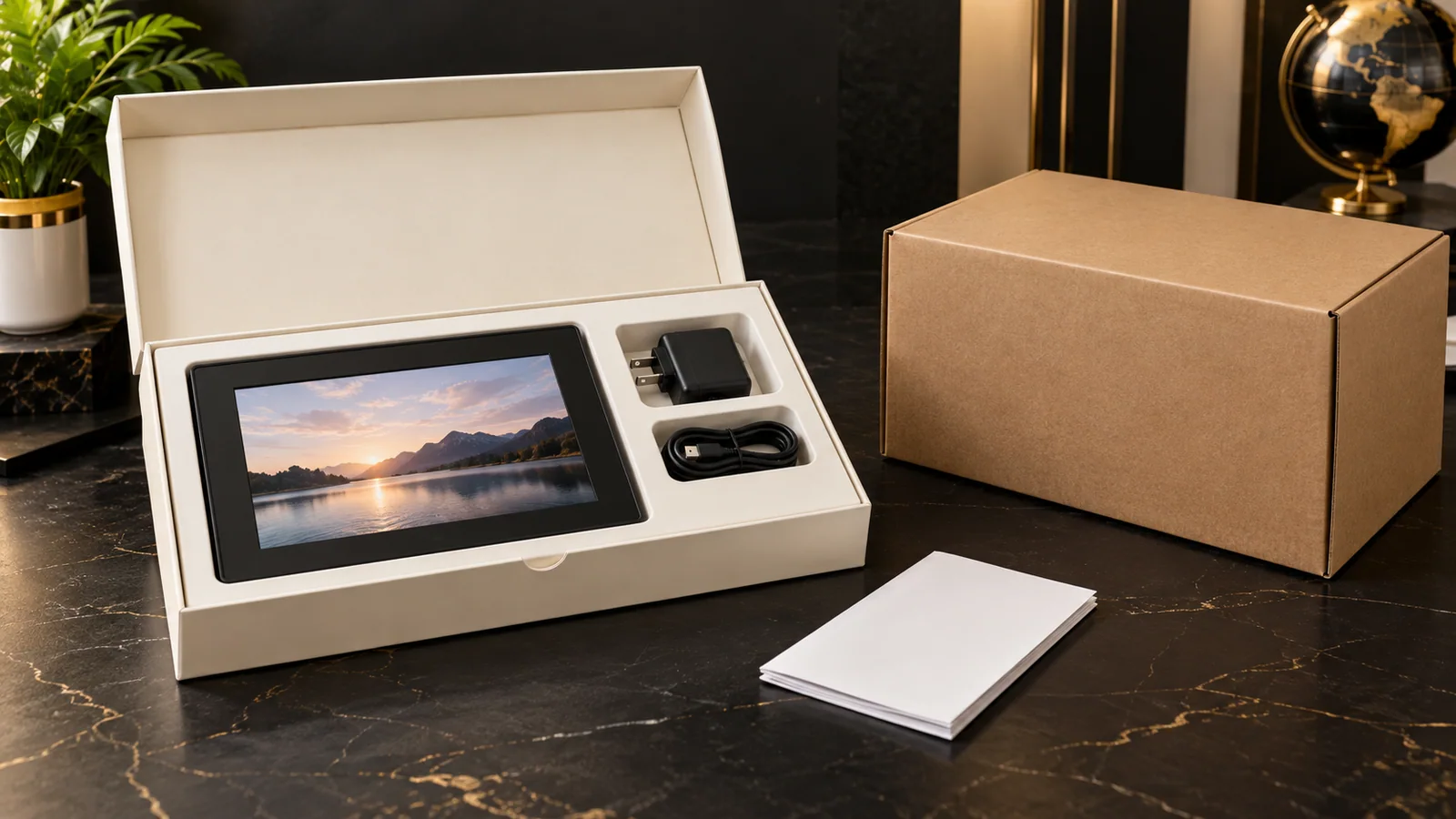
The retail pack must carry approved commercial and regulatory information without obstructing required labels or misleading the customer. Build an artwork matrix for product identity, importer or distributor information, power details, marks, warnings, included contents and service contact. Confirm every field's owner.
Review the physical pack, not only the design PDF. Check colour contrast, label durability, model consistency, adapter identity and whether retailer stickers may cover required information. If the product is reboxed locally, define which party controls the final pack and verifies it against the approval record.
Verify production before commercial shipment
Pre-shipment inspection should compare the production unit with the approved sample and file: model, exterior, module and antenna references where accessible, firmware, adapter, product label, self-labelling details, carton, manual and accessories. Define shipment blockers before inspection begins.
Photograph representative products and packed contents for the controlled evidence file. Sampling does not certify every unit or replace MCMC, SIRIM or customs processes. It helps the importer see whether the inspected lot matches the configuration used for approval and permit data.
Plan surveillance, renewals and record retention
Keep the application, approval, reports, sample photographs, self-labelling record, import documents, released artwork, manuals, inspection evidence and change decisions in a controlled index. SIRIM QAS publishes service information and current resources that can change; assign an owner to monitor certificate status, renewals and updated requirements.
Before each reorder, compare the current bill of materials, firmware, suppliers and artwork with the approved baseline. Ask for changes the factory considers equivalent as well as obvious substitutions. A traceable no-change declaration is useful only when it is checked against procurement and production records.
Buyer release checklist
- The finished frame's radio and hybrid functions are documented
- Commercial type approval is separated from special or personal routes
- Module, host or complete-system strategy is confirmed in writing
- The Malaysian applicant, certificate holder and importer are assigned
- Applicable MCMC technical codes and accepted reports are identified
- The test sample and production model use one controlled identity
- Self-labelling data comes from the approval holder
- Import-permit responsibilities are resolved before dispatch
- The adapter and other electrical content receive separate safety screening
- Instructions and service information match the Malaysia model
- Private-label variants receive an approval decision before production
- Firmware and region settings are controlled
- Packaging uses verified importer and product data
- Inspection checks the approved configuration and packed lot
Questions for the OEM and Malaysian importer
Ask the OEM: Which Wi-Fi and Bluetooth functions, module, antenna and firmware ship? Which reports and samples are available? What differs across brands and screen sizes? Which adapter is supplied? Can the factory support test mode, diagrams, manuals, photographs and controlled change notification?
Ask the Malaysian team: Is the product treated as a hybrid product? Which module, host or system route applies? Who will hold approval and self-labelling rights? Which technical codes and laboratory evidence are accepted? What import permit is needed? Does the adapter need separate safety action? Which changes require SIRIM review?
Experience scope and project limits
Editorial review: Jessica, Founder & Project Advisor at DOREMI Display. Updated 11 October 2026. Jessica's practical scope covers B2B digital-frame specifications, OEM data handovers, sample review, packaging coordination, artwork control and production change management. DOREMI is not presented as MCMC, SIRIM QAS, the Energy Commission, a testing laboratory, customs broker or Malaysian legal adviser.
Use this guide to organize the buyer–supplier handover. Current Malaysian law, technical codes, SIRIM QAS procedures, certificate-holder decisions, customs requirements, the exact model and qualified local advice control the final approval, safety, marking and import outcomes.
Public sources used for this guide
- Google Search Central: optimizing for generative AI features
- MCMC MTSFB TC T007:2020: Short Range Devices Specification
- SIRIM QAS: communications, multimedia and hybrid-product certification
- SIRIM QAS: hybrid-product type-approval information booklet
- SIRIM QAS: Special Approval and Clearance Letter for personal application