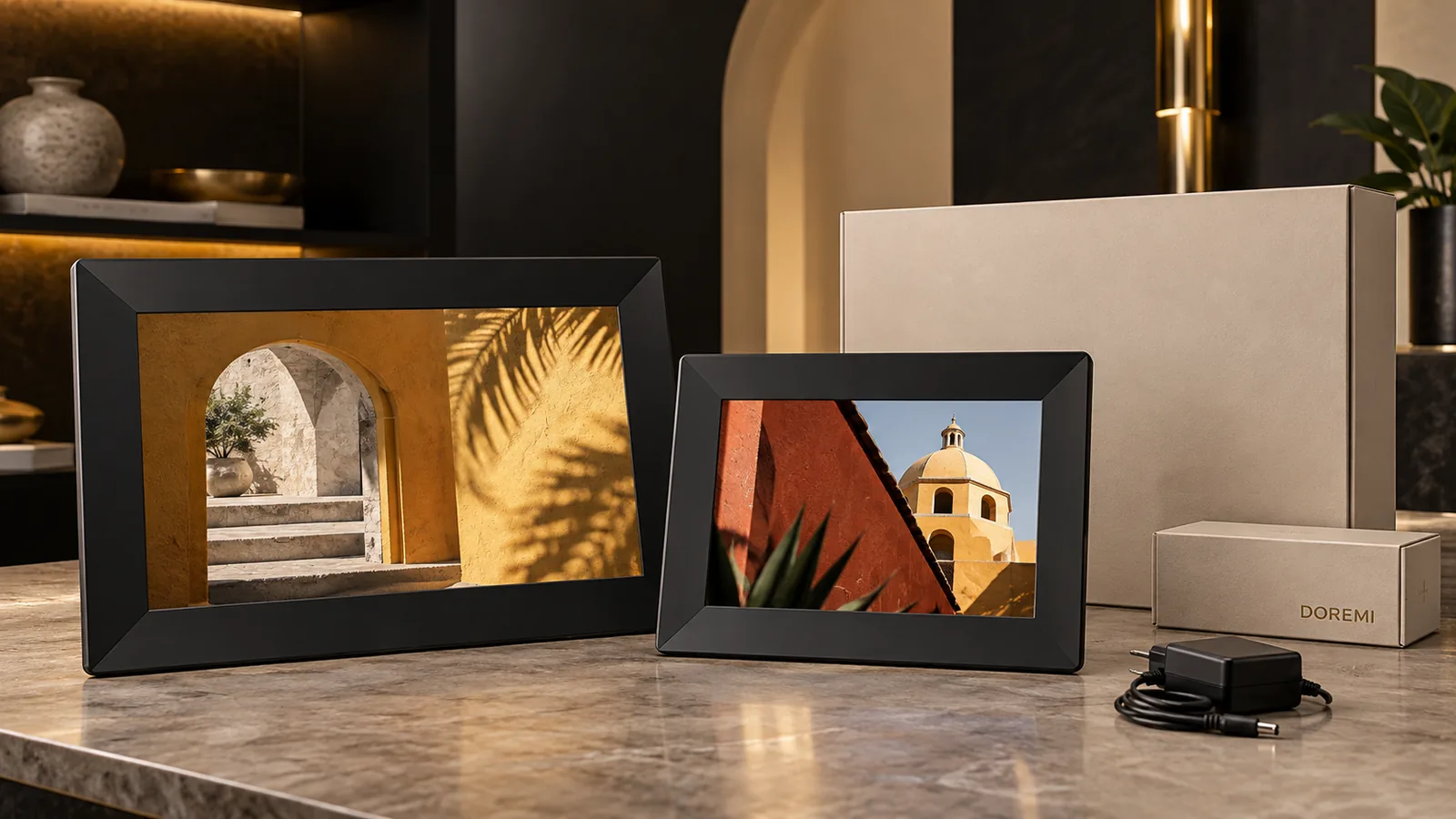
A Wi-Fi digital photo frame prepared for Mexico needs more than a radio module data sheet. The buyer must connect the exact marketed configuration to the applicable telecom approval route, current certificate status, product marking, Spanish commercial information, instructions and warranty operation. If those pieces are handled by separate vendors, artwork can be released before the approval facts are ready.
This guide is for Mexican importers, private-label brands, retailers and OEM teams planning connected digital frames. It is an operational framework, not a homologation decision, NOM certificate, customs opinion or approval from the current Mexican telecom authority. The IFT website now identifies relevant pages as a historical archive and directs current procedures to the Comisión Reguladora de Telecomunicaciones, so the importer and qualified Mexican professionals must verify the live process.
Why does a Wi-Fi frame trigger telecom review?
The official homologation FAQ describes products that connect to a telecommunications network or use radio spectrum as subject to the homologation framework. Wi-Fi and Bluetooth digital frames contain intentional radio functions even when the buyer markets them primarily as home décor, a gift or a media display.
Start with the radio architecture: supported bands, protocols, module identity, antennas, firmware controls and intended Mexico configuration. Do not assume that a module approval automatically covers the complete frame or every brand variant. Ask the current authority, accredited laboratory and conformity-assessment body which technical provisions, product type and certificate route apply.
Confirm the current authority and live procedure
IFT pages remain valuable public references for the homologation structure, marking and historical rules, but the site now states that it is an archive and points current procedures and services to the Comisión Reguladora de Telecomunicaciones. A 2026 project file should record which current portal, office and legal instrument were checked, and on what date.
Do not rely on a saved 2024 FAQ screenshot or an old consultant slide. Before sample submission and artwork release, obtain written direction from the responsible Mexican applicant or specialist. Track any migration of portals, forms, fees or certificate records. The physical product can remain unchanged while the administrative route or responsible authority changes.
Freeze the exact marketed configuration
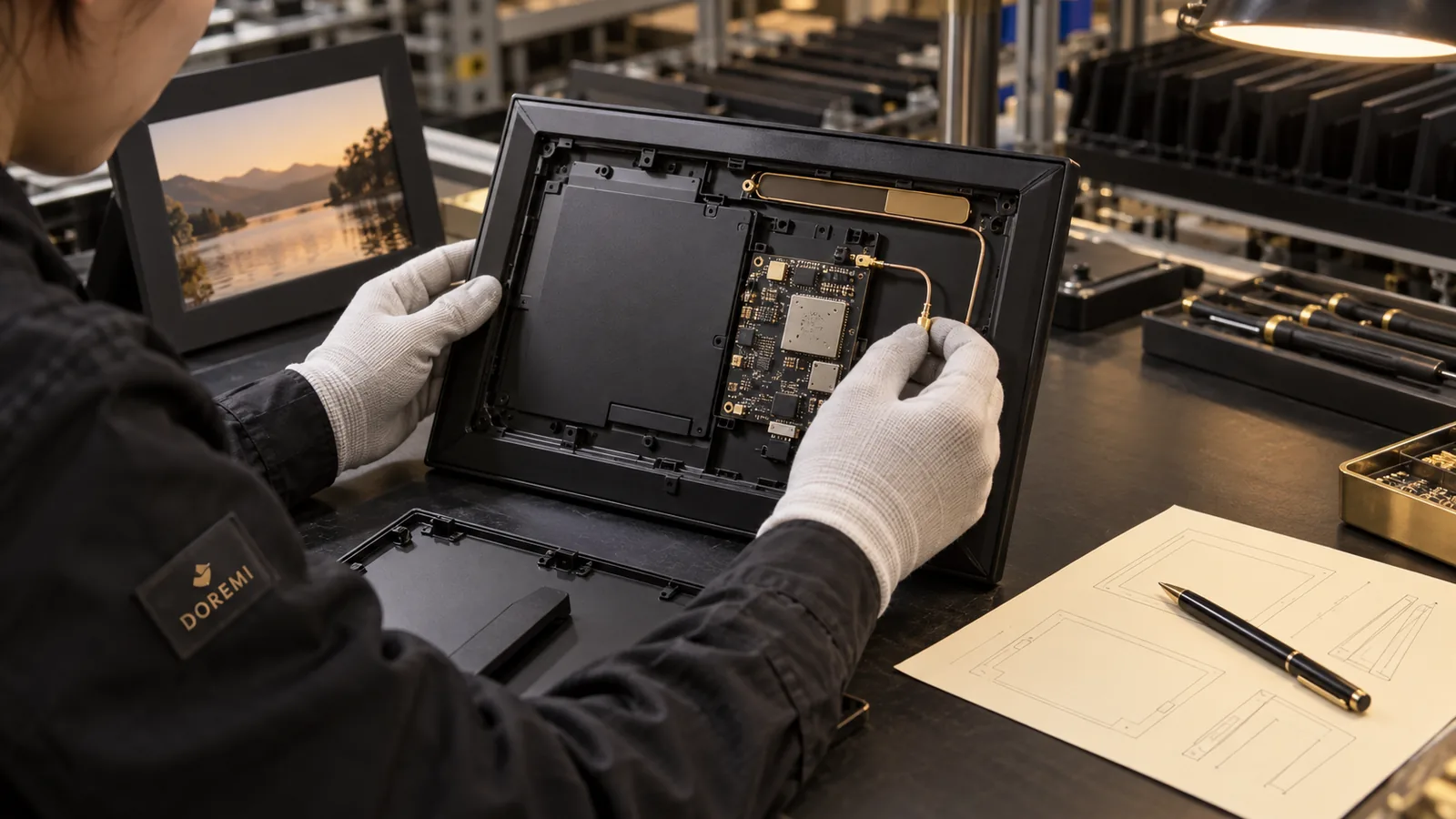
A ten-inch frame sold under two brands may share an enclosure but use different radio modules, antennas, power adapters, firmware builds, apps or cloud endpoints. Create a configuration identity with model, hardware revision, radio module, antenna, operating system, firmware, power equipment and packaging version. State which elements the approval evidence covers.
Prevent purchasing substitutions until the importer reviews them. A memory change may be low risk for radio behaviour, while a module, antenna, shielding, enclosure or firmware-radio setting change can affect the assessment. The factory should not decide that a part is equivalent merely because Wi-Fi still connects during a functional check.
Map the technical standards without guessing
Mexico's official sources include NOM-208-SCFI-2016 for certain spread-spectrum and digital-modulation radio equipment operating in identified 902 MHz, 2.4 GHz and 5.8 GHz bands. The exact applicability depends on the radio functions, bands, technical characteristics and current framework. A model supporting other bands or technologies may need additional analysis.
Give the qualified reviewer complete radio specifications and production software controls. Record applicable standards and technical dispositions in a model matrix, including edition, test mode and lab route. Do not advertise a frame as Mexico certified based only on a chipset specification or a test report issued for another host product.
Choose the applicant and certificate strategy early
Homologation records have a certificate holder and can involve affiliates, subsidiaries or importers using the certificate under the applicable rules. The commercial team should identify the Mexican legal entity, applicant, importer and brand arrangement before testing. A certificate held by an unrelated party may not support the buyer's intended import and marking route.
Document who owns technical files, receives authority notices, maintains certificate status and approves additional brands or models. If several importers will use one product, obtain professional advice on permitted use and recordkeeping. Contracts should define access to evidence and change notifications without suggesting that private terms replace the regulator's requirements.
Treat the IFT seal and certificate number as controlled data
Official IFT material explains that homologated products use the IFT prefix and certificate number, and the 2024 announcement set the graphic IFT seal transition for 1 July 2025. By 2026, the buyer should verify current marking rules with the live authority and confirm the exact certificate is valid in the official equipment list before releasing the label.
Never invent an IFT number or draw a look-alike seal for a mock-up. The responsible Mexican holder should supply the approved asset, number, placement and any exception route. Keep the regulatory identifier out of image-generation prompts and early sales renders. It belongs in controlled artwork only after the certificate and model relationship are confirmed.
Place marks where the rules actually allow
Archived official guidance describes a preference for visible, legible marking on the product and specific alternatives when the product is too small, including defined electronic or packaging/manual routes under the applicable conditions. A digital frame normally has a rear label area, but ventilation, ports, stands and wall mounts can reduce available space.
Review the physical sample with the certificate holder. Check surface material, adhesive durability, contrast, minimum dimensions, visibility after installation and coexistence with electrical and importer information. Do not move a mark to the carton because the design team prefers a clean rear panel. Any alternative should be supported by the current rules and documented approval.
Keep NOM-024 commercial information separate
Mexico's Ministry of Economy PLATIICA page reports NOM-024-SCFI-2013 as in force. The standard addresses commercial information for packaging, instructions and warranties of electronic, electrical and household products. A 2025 standards programme described a modification project; that does not by itself prove that a replacement text is effective. Check the current status near production.
Create a NOM-024 artwork checklist separate from the radio homologation checklist. Telecom approval does not automatically approve consumer information, and Spanish packaging does not prove radio conformity. Connect both workstreams through the same model and revision, with different qualified approvers and release dates.
Build Spanish packaging from verified product facts
NOM-024 covers information for products intended for the final consumer. Depending on the product and current text, the package can need product identification, electrical characteristics, manufacturer or importer information, country of origin and other commercial details. The responsible Mexican reviewer should define the exact fields and Spanish wording for the digital frame.
Provide source facts rather than marketing approximations: model, rated input, adapter relationship, included accessories, wireless functions, importer entity and origin basis. Make room for the final approved label before the packaging dieline is locked. If several colourways share a carton, ensure variable model or colour fields remain accurate and traceable.
Write instructions for the supplied system
A useful Spanish manual should match the frame, adapter, app flow and included hardware. Cover safe setup, power, ventilation, network connection, account use, mounting or stand placement, cleaning, reset and disposal information as required. Generic instructions copied from a tablet may omit model-specific risks or describe controls the frame does not have.
Translate from an approved technical source and conduct an in-context review. Test QR codes and support URLs from Mexico, but do not assume digital content replaces printed information unless the current rules permit it. Archive the final Spanish manual, quick-start guide and on-device language build with the hardware and firmware revision.
Make warranty promises operational
The official NOM-024 text includes Spanish-language warranty requirements where a warranty is offered, including responsible business details, covered models, duration, coverage, limitations, procedure and locations for service or parts. The exact current requirements and minimum period must be confirmed by Mexican counsel and the responsible seller.
A factory warranty card is not useful if the named Mexican service route does not exist. Decide who receives claims, where customers obtain service, how replacement parts move and which entity bears cost. Align the printed warranty, online listing, customer-support scripts and commercial contract. Do not promise local repair, replacement timing or nationwide service without an operating arrangement.
Control importer and brand variations
Private-label programmes may use one hardware platform for several Mexican retailers. Each variant can change model, brand, importer information, app, packaging and certificate-use arrangement. Maintain a matrix that shows which approved evidence supports each configuration. Similar appearance is not proof that one file covers all variants.
For every new brand, ask whether certificate expansion, holder permission, new testing, authority filing or artwork review is required. Freeze the correct importer details before printing. Retain approval correspondence and released artwork by variant. If the importer changes after production, do not solve the problem with an uncontrolled over-label at the warehouse.
Verify production against the approved sample
Pre-shipment inspection should compare model, brand, radio module, antenna, firmware reference, adapter, rear label, carton, Spanish manual, warranty and included accessories with the approved configuration. Photograph representative units and readable labels for the controlled evidence file. Do not publish those regulatory close-ups as marketing proof without permission.
Quarantine unexplained changes or certificate-number mismatches. Sampling provides evidence about the inspected lot but does not certify every unit or replace conformity assessment. The buyer's release rule should state which defects are shipment blockers and which authority or certificate-holder question must be resolved before approval.

Prepare for customs and market surveillance
Import documentation, NOM evidence, homologation records and product markings can be reviewed at different points by different authorities or service providers. Coordinate the customs broker, certificate holder, importer and compliance specialists before shipment. Do not assume a customs release is a permanent product-compliance approval.
Keep retrievable certificates, reports, current authority searches, product photographs, labels, manuals, warranties, invoices and model-family decisions. Assign an owner for authority notices and renewals or status checks. If a certificate becomes inactive or a supplier changes the approved configuration, pause market placement and obtain qualified direction.
Buyer release checklist
- Current Mexican authority and procedure were checked near release
- Exact radio bands, module, antenna and firmware are documented
- Applicable technical standards are confirmed by qualified professionals
- Applicant, certificate holder, importer and brand roles are mapped
- Official certificate status is verified for the marketed model
- IFT seal and number come from controlled approval data
- Physical marking placement follows the current permitted route
- NOM-024 status and commercial-information fields are rechecked
- Spanish packaging uses verified model and importer facts
- Instructions match the actual hardware, software and accessories
- Warranty wording is backed by a real Mexico service process
- Production inspection checks the approved configuration
- Changes trigger technical, certificate and artwork review
Questions to send the OEM and Mexican importer
Ask the OEM: Which radio module, bands, antenna and firmware are in this model? What changes between variants? Can test mode and samples be provided to the approved lab? Where can a durable mark be placed? Which Spanish manuals and carton files match the final build? What substitutions require advance notice?
Ask the Mexican team: Which current authority and portal control the process? What technical provisions and certificate type apply? Who will hold and maintain the certificate? Is the model present and valid in the official list? What exact seal, number and placement are approved? Which NOM-024 fields, warranty arrangements and customs documents are required for this shipment?
Experience scope and project limits
Editorial review: Jessica, Founder & Project Advisor at DOREMI Display. Updated 9 October 2026. Jessica's practical scope covers B2B digital-frame specifications, supplier handovers, sample review, packaging coordination and production change control. DOREMI is not presented as the IFT, Comisión Reguladora de Telecomunicaciones, Ministry of Economy, an accredited laboratory, certification body, customs broker or legal adviser.
Use this guide to organise model and artwork facts. Current Mexican law, authority guidance, technical provisions, the live certificate record, the exact imported configuration and qualified Mexican advice control homologation, marking, NOM, warranty and customs decisions.
Public sources used for this guide
- Google Search Central: optimizing for generative AI features
- IFT/CRT archive: homologation and conformity assessment
- IFT archive: homologation frequently asked questions
- IFT: 2024 announcement on homologation and seal guidelines
- Mexico Ministry of Economy PLATIICA: NOM-024-SCFI-2013 status
- Diario Oficial: NOM-024-SCFI-2013 text