
A Wi-Fi digital photo frame sold in Taiwan can sit at the intersection of radio-device approval, finished-product registration, commodity inspection, power-supply controls and Traditional Chinese customer information. A buyer who starts with only a module certificate or a blank label space may discover too late that the approved model, applicant rights, accessories and retail artwork do not match the product being shipped.
This guide is for Taiwan importers, distributors, private-label brands, e-commerce teams and overseas OEM suppliers. It is an operational handover, not an NCC or BSMI approval, commodity-scope determination, import permit, certificate, customs opinion or legal advice. The responsible Taiwan business and qualified certification professionals must verify the current rules, approval route, technical requirements, applicant eligibility, label use and inspection scope for the exact model.
Start with the radio functions in the finished product
Taiwan's NCC regulations govern controlled telecommunications radio-frequency devices, including low-power wireless equipment. A digital photo frame may include Wi-Fi, Bluetooth or other radio functions even when the commercial team describes it mainly as a photo display or gift. The radio decision should begin with the actual device and enabled features, not the marketing category.
Document the chipset and module, supported bands, channel plan, output settings, antenna type and gain, firmware, enclosure, power supply and intended use. Ask an NCC-recognized certification body or qualified local specialist to confirm whether the product is a controlled device, which technical specification applies and which approval method is available. Preserve that written scope decision in the model file.
Understand approval for sale versus private use
The NCC regulations distinguish compliance approval for sale from approval for private use. Commercial routes include type approval and, for equipment announced as eligible, declaration-based procedures. Private-use quantity allowances are not a route for routine retail inventory. A brand preparing commercial launch should plan the sale route before importing review samples or production stock.
Separate each shipment purpose in the logistics plan: certification samples, research units, exhibition units, repair items and saleable goods can have different treatment. The Taiwan importer should confirm any import reporting or permit steps near shipment. Do not label a commercial batch as samples merely because the certificate file is still incomplete.
Build the type-approval file around one model identity
NCC's public regulations list a detailed application package for type approval: application form, manual or instructions, specification, circuit or block diagram, sample test report, exterior photographs, interior and circuit-board photographs, applicant evidence and other requested material. The photographs must make the product, manufacturer and model traceable, and the certification body may request the device, external power supply, accessory or antenna.
Use the same brand, model and revision on every item. Prepare a document index that maps the submitted sample to the board, module, antenna, adapter, manual, images and report. If a sample carries an engineering name while the carton uses a retail name, document and approve that relationship before filing rather than asking the reviewer to infer it.
Decide whether the module or final product is the approval anchor
Taiwan's rules address radio modules and complete final products. They also require registration information for certain final products assembled with an approved complete RF module before sale. A module approval can support a strategy, but it does not allow the buyer to ignore the host platform, brand, model, appearance photographs or integration conditions.
Ask the certification body whether the proposed module is complete or restricted, what final-product registration is required, which antennas and power arrangements are covered, and whether the host needs additional testing. Record the module holder's authorization where another party will use its approval label. An email saying “module has NCC” is not a complete product-release instruction.
Control the applicant and label rights
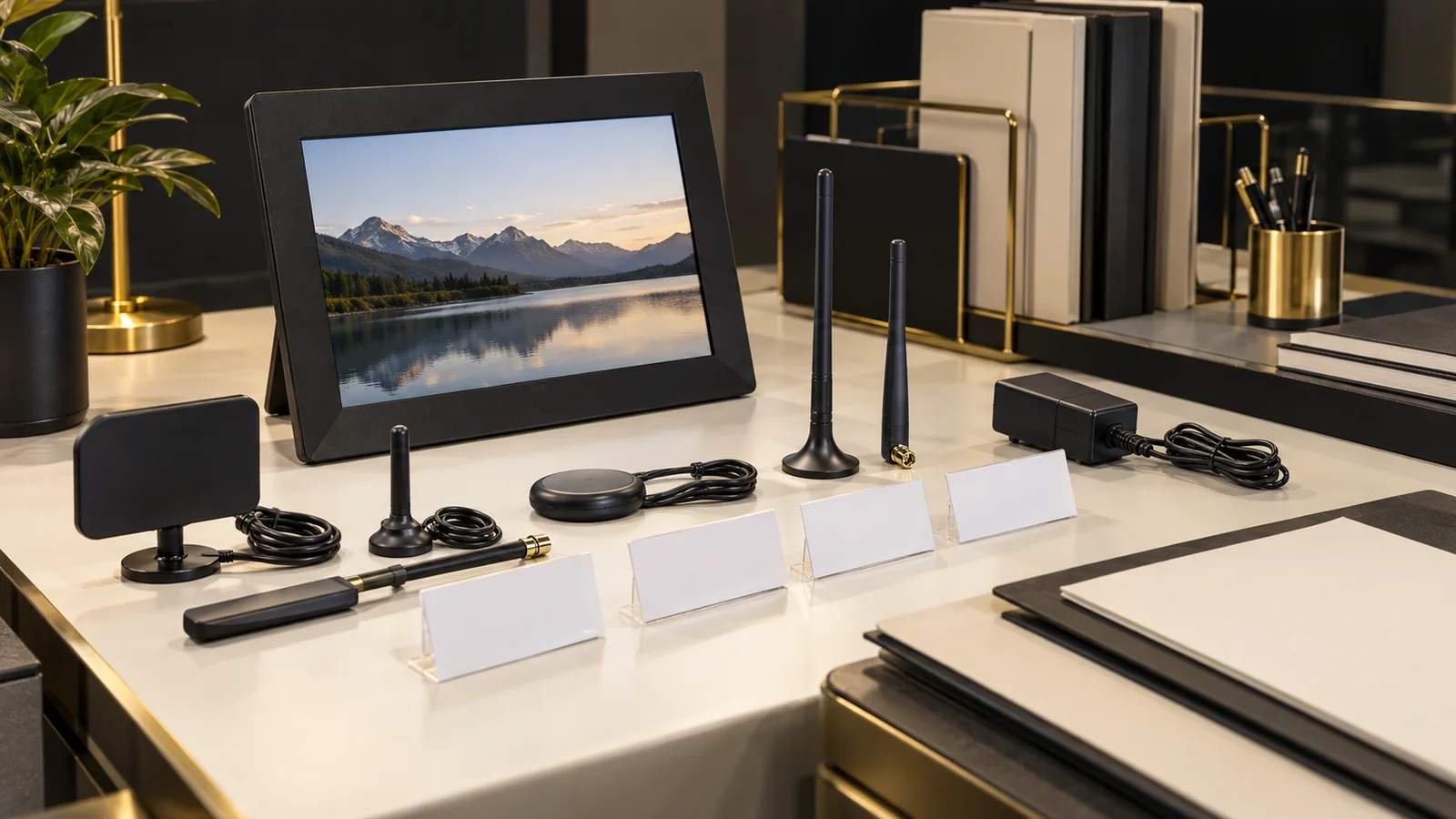
The regulations identify who may apply and state that the compliance or declaration label belongs to the certificate holder. They also address authorization when another party uses the label for the same brand and model. This makes commercial ownership important: the buyer needs to know who controls the certificate, who can authorize use and what happens if the distributor relationship ends.
Create an approval-rights schedule naming the applicant, certificate holder, manufacturer, importer, brand owner and any authorized label user. Keep authorization records with the relevant SKU and production period. The factory should receive only the approved label artwork and permitted quantity or scope, not a reusable number copied from a previous carton.
Treat model-family decisions as formal change control
NCC's regulations identify changes such as brand, model number, hardware, RF functionality, appearance, colour, material, power method, accessories and antennas. They also describe circumstances in which a family-product application or confirmation may be possible. The commercial lesson is that seemingly small design changes can require a certification-body decision.
Before quoting multiple colours or retailer models, submit a comparison table. Include board, module, antenna, enclosure material, display, adapter, firmware, brand, model and included accessories. Ask which variants may be handled as a family, which need certificate renewal or registration, and which require new approval. Retain the decision instead of turning it into a permanent unwritten assumption.
Freeze antenna and firmware details
The type-approval record can include antenna combinations and technical parameters. A factory substitution made to solve a component shortage can therefore change the approved configuration. Firmware can also alter modulation, channels, power or enabled radio functions. Both hardware and software need a release gate.
Record the approved antenna supplier, model, type, gain, cable and placement. Record the production firmware build and region settings. Require purchasing and software teams to submit changes before they reach assembly. If the change is claimed to reduce capability, obtain the certification body's view on whether family approval, renewal, notification or no action applies.
Screen BSMI commodity-inspection scope separately
Taiwan's Bureau of Standards, Metrology and Inspection administers commodity-inspection schemes including Registration of Product Certification for regulated products. BSMI explains that regulated commodities can require type testing and registration before market entry. Whether a finished digital frame, its external adapter or bundled electrical accessories fall within a mandatory item depends on the current announcement and product classification.
Ask the Taiwan applicant to conduct an item inquiry when scope is uncertain. Keep the tariff or product description, rated input, power arrangement, display characteristics and intended use available for that inquiry. NCC radio approval does not replace BSMI inspection, and a BSMI mark on an adapter does not prove NCC approval of the wireless frame.
Choose the local BSMI applicant before testing
BSMI's published procedure says that for imported regulated commodities the applicant is generally the sales agent or importer with a domicile or business place in Taiwan. The application and conformity-assessment modules depend on the product and scheme. That local role should be resolved before an overseas factory orders testing or prints marks.
Document who will register, maintain records, handle surveillance and authorize the inspection mark. Align the model and manufacturer details with the NCC file where both regimes apply. If the importer changes, obtain advice on certificate and artwork consequences rather than reusing the previous business's registration data.
Prepare Traditional Chinese instructions and warnings
NCC materials address manuals or instructions and specify Traditional Chinese content for relevant low-power devices and warnings. The final language set depends on the equipment and technical specification. Build the manual from the actual product rather than translating a generic file at the end of production.
Cover setup, power, wireless functions, reset, mounting or stand use, cleaning, troubleshooting and service access as applicable. Have the Taiwan business approve required warnings and terminology. Test line breaks and character rendering in the printed manual and on-screen interface. Archive the final PDF and the production sample together.
Design product and package marking from released data
NCC label use, authorization and market-management rules connect the approval label to the certificate holder and approved device. BSMI has its own inspection-mark system for regulated commodities. Create separate rows for each mark, identifier, warning and responsible approver rather than combining them into a generic “Taiwan certification” box.
Use official vectors and identifiers supplied by the authorized holder. Confirm placement on the frame, adapter, carton, manual and online listing with qualified reviewers. Check legibility on the real material and after normal handling. Do not publish regulatory close-ups as promotional proof unless the owner approves and the image accurately represents the marketed model.
Connect online listings to the approved model
Taiwan's NCC has encouraged buyers to verify certification information when purchasing controlled radio devices online. For a private-label seller, that means the listing should not borrow approval information from a similar-looking product. The brand, model, wireless functions, adapter and photographs should match the actual approved configuration.
Create one source record for marketplace data and physical artwork. Review the live listing after launch because platform fields can truncate a model, display the wrong variant or retain an old image. Keep screenshots or exports under the seller's policy, but treat them as time-specific evidence, not a replacement for the underlying certificate and production record.
Coordinate customs and commercial shipment evidence
The importer should tell the supplier which approvals, permits, invoices, packing lists and product details are required before dispatch. Use a truthful product description and consistent brand and model across customs, certificates and labels. A Wi-Fi digital frame should not be described as a non-electrical picture frame to simplify a form.
Separate the certificate file from shipment documents but link them with the same SKU and revision. If accessories ship separately or a promotional bundle is created in Taiwan, ask whether the approved product, package and inspection treatment changes. Record who makes that local decision.
Inspect the production lot against the approved configuration
Pre-shipment inspection should compare the model, exterior, radio module and antenna where practical, firmware, adapter, rear label, carton, Traditional Chinese manual and accessories with the released reference. Define critical mismatches before the inspector arrives. A wrong model label or unapproved antenna is not a cosmetic defect.
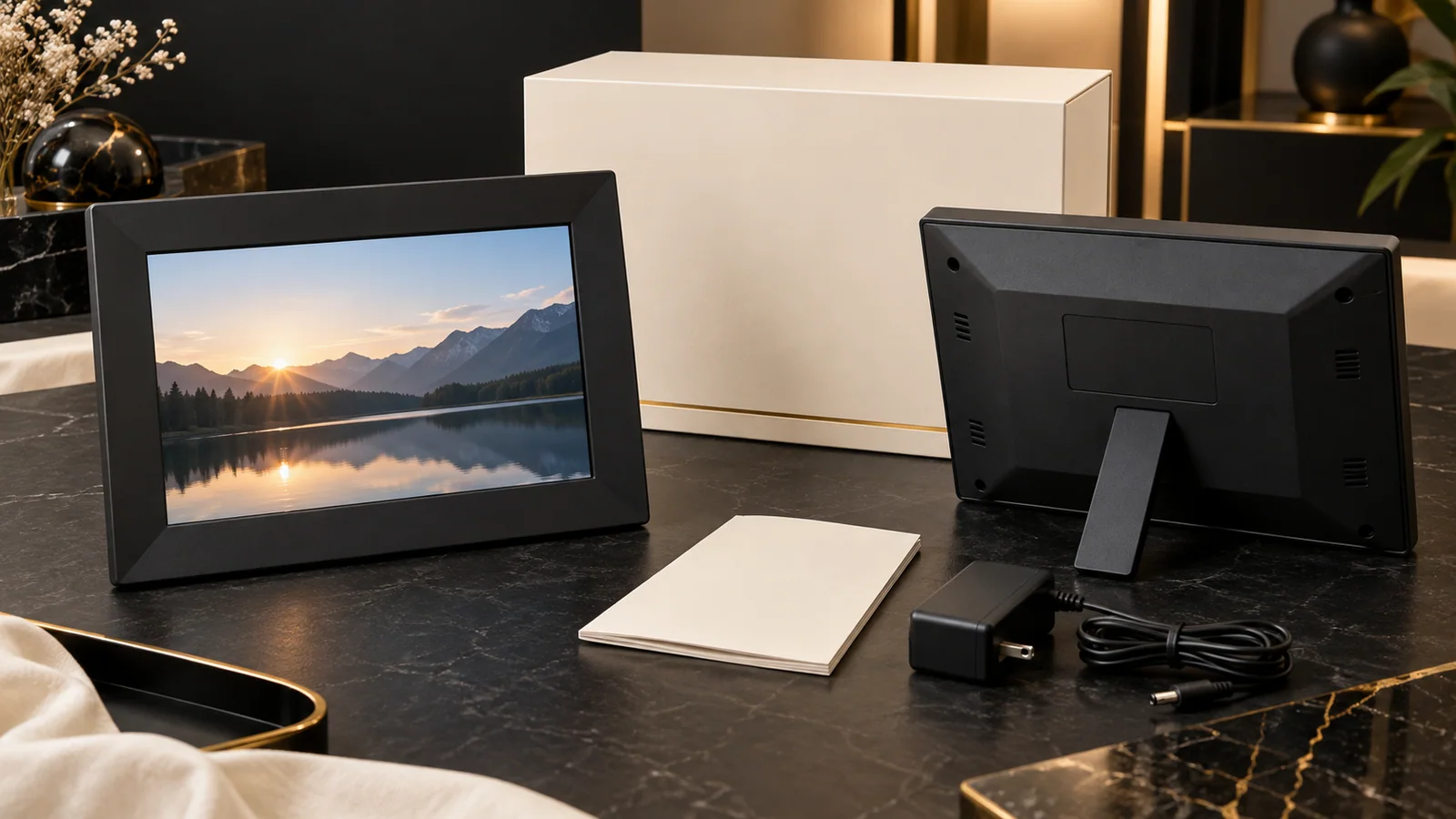
Take controlled photographs of representative units and packed contents. Sampling does not prove every unit or replace authority assessment, but it shows whether the inspected lot matches the project file. Quarantine mixed adapters, obsolete labels, unexplained board changes and missing Traditional Chinese material until the certificate holder and importer decide.
Maintain a change and surveillance file
Keep the application, approval certificate, authorization, module-host registration, test report, photographs, BSMI scope decision, manuals, released labels, inspection evidence and correspondence in a controlled index. Note confidentiality periods where applicable and define who monitors public certificate status and authority changes.
Recheck the file before reorders and after any change to the applicant, brand, model, board, antenna, enclosure, colour, power supply, accessory or firmware. Record the certification body's response even when the change is accepted without a new application. This creates a traceable basis for the next purchase order.
Buyer release checklist
- The exact Taiwan radio configuration is documented
- A qualified reviewer confirms CTRFD scope and approval route
- Commercial approval is separated from private-use allowances
- One brand, model and revision connects all application evidence
- Module approval and final-product registration responsibilities are clear
- The certificate holder controls label-use authorization
- Variants receive a documented family or new-approval decision
- Antenna and firmware are frozen for production
- BSMI scope is screened separately for the frame, adapter and accessories
- The eligible Taiwan applicant is assigned for each regime
- Traditional Chinese instructions and warnings match the product
- Physical and online markings use released approved data
- Customs documents identify the connected frame accurately
- Inspection checks the approved configuration and packed contents
Questions for the OEM and Taiwan importer
Ask the OEM: Which RF module, antenna, bands and firmware ship? Which report covers the sample? What differs across colours, brands and screen sizes? Which adapter and accessories are included? Can the factory provide all-side photographs, internal photographs, diagrams, manuals and controlled samples?
Ask the Taiwan team: Which NCC approval route applies? Who will hold the certificate and authorize label use? Is final-product registration needed for the module strategy? Which variant changes need family approval or renewal? Does BSMI regulate the frame or adapter? What Traditional Chinese warnings and marks may be released?
Experience scope and project limits
Editorial review: Jessica, Founder & Project Advisor at DOREMI Display. Updated 11 October 2026. Jessica's practical scope covers B2B digital-frame specifications, OEM document handovers, sample review, packaging coordination, artwork control and production change management. DOREMI is not presented as NCC, BSMI, a certification body, testing laboratory, customs broker or Taiwan legal adviser.
Use this guide to structure the project. Current Taiwan law, authority announcements, technical specifications, certification-body decisions, commodity-inspection scope, the exact model and qualified local advice control the final approval, marking and import requirements.
Public sources used for this guide
- Google Search Central: optimizing for generative AI features
- Taiwan NCC: regulations governing compliance approval for controlled RF devices
- Taiwan NCC: English approval regulations and model-change provisions
- Taiwan NCC: low-power radio-frequency device technical regulations
- Taiwan BSMI: Registration of Product Certification
- Taiwan BSMI: application procedures for Registration of Product Certification