
A custom display frame can look simple on a purchase order and become difficult at the U.S. border. A wooden certificate frame, aluminium moulding, empty shadow box, framed photograph and digital display may follow different classification or origin analyses. When the commercial exposure is important and the facts are genuinely uncertain, a prospective CBP binding ruling can give the importer a written decision before entry. The request, however, is only as reliable as the product facts submitted.
This guide is for U.S. importers, private-label brands, sourcing teams, customs brokers and overseas OEM factories preparing a new frame programme. It converts CBP's current eRulings workflow and recent frame-related rulings into a product-file handover. It does not choose a tariff number, determine origin, prepare a legal submission or replace CBP, a licensed customs broker or customs counsel.
What are display-frame buyers asking?
Commercial questions usually arrive as: “Can one ruling cover our wood, aluminium and shadow-box versions?”, “Should we send a physical sample?”, “Can we rely on a ruling for another company's picture frame?”, “Will a ruling lock the duty rate?”, “How do we protect confidential supplier costs?” and “What if the factory changes the profile after the ruling?” Each question depends on the exact merchandise and transaction.
Google Search Central's current generative-search guidance favours valuable, non-commodity, expert-led content and says ordinary SEO foundations still apply. This article therefore answers connected buyer questions through one operational workflow. Search intent is an editorial inference from public CBP materials and sourcing handovers. DOREMI does not claim direct access to or measurement of Google AI Overview or AI Mode output.
Use a ruling for a prospective decision, not a past-entry repair
CBP describes the Binding Ruling Program as a way for importers and other interested parties to obtain a decision before importing and filing entries. The electronic template is for initial prospective requests involving matters such as classification, marking, origin and certain trade-program questions. A completed import dispute may need another procedure, such as internal advice, protest or counsel-led corrective action.
Put the decision point on the launch calendar. Allow time to freeze the sample, collect facts, review confidentiality, submit and respond to questions before purchase orders become difficult to change. Do not ship on an assumed outcome merely because a request has been filed.
Decide whether the uncertainty justifies a request
A ruling is most useful when the unresolved issue can materially affect landed cost, marking, sourcing structure, retail price or launch feasibility. A composite shadow box with mixed materials, a framed printed work, unfinished aluminium moulding, a kit with mounting accessories or a digital frame with multiple functions can present questions that a generic product name does not answer.
First ask the broker or customs adviser to define the question and available evidence. Some issues can be resolved by the current tariff schedule, explanatory materials and a well-supported classification file. Others justify a ruling because the configuration is unusual, the volume is significant or commercial decisions depend on a formal prospective decision.
Do not treat another company's CROSS ruling as your approval
CBP's CROSS database is valuable for understanding how the agency analysed products with similar facts. Recent examples show why details matter. A 2025 ruling classified long aluminium mouldings for making picture and art frames according to their imported profile condition, while a 2026 ruling on framed photographs considered the permanently mounted printed image, origin, marking and USMCA facts.
Use published rulings as comparison evidence, not a transferable certificate. Build a table with the cited product, materials, imported condition, use, manufacturing steps and decision, then list every difference in your programme. If the differences are material, the buyer needs its own analysis and may need its own ruling.
Freeze the imported condition
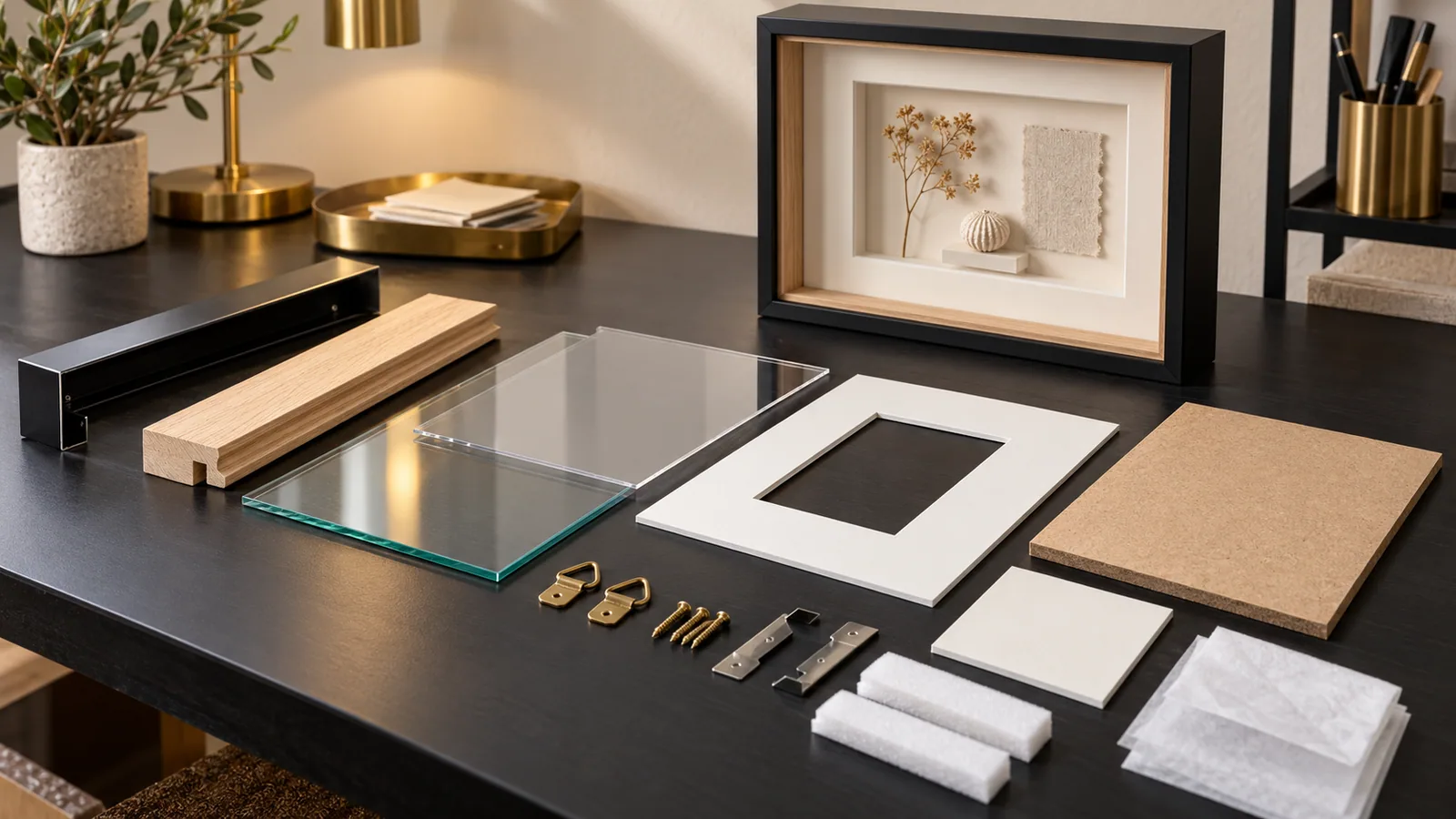
Classification begins with the goods as imported. Record whether the shipment contains long moulding, cut and joined frames, complete empty frames, shadow boxes, framed artwork, mounting kits, digital displays or assortments. Photograph the product exactly as packed for entry, including accessories, inserts and components supplied in the same retail package.
Do not mix a domestic assembly plan into the physical description. Describe which operations occur before importation and which occur after. If a buyer plans several routes—finished frames for ecommerce and profile lengths for domestic assembly—treat them as different configurations until an adviser confirms how they should be presented.
Build a material and component schedule
List every meaningful component by material, function, quantity, weight or value where relevant: wood species or engineered board, aluminium alloy and profile, plastic frame, glass or acrylic glazing, matboard, backing, fabric lining, metal hardware, electronics, printed matter and retail accessories. Connect each component to drawings and supplier part numbers.
The schedule should explain what provides structure, display function, visual character and commercial identity. Do not force an “essential character” conclusion into the factory description. Give the adviser and CBP the complete facts needed to apply the legal rules.
Explain function and use without marketing language
State what the product is designed to hold and how the user interacts with it. A frame for a removable vinyl record, a permanently mounted printed photograph, a jersey shadow box, a certificate frame and an electronic still-image display do not have the same function simply because each is sold under “display frame.”
Include mounting method, opening method, depth, glazing, stand or wall hardware, included media and whether the displayed object is part of the import. Avoid unsupported phrases such as “museum grade,” “smart device” or “art product” unless the facts and intended legal question require them.
Map manufacturing and origin facts by country
For an origin or marking request, provide the countries and actual processing for significant materials and components. Explain cutting, printing, coating, extrusion, moulding, electronics assembly, frame joining, mounting, software loading, final assembly and packing. Identify the entities performing each step.
A supplier declaration that says “assembled in” is not a process narrative. Use dated flow diagrams and production records that can later be reconciled to the commercial shipment. Keep preferential-origin analysis, ordinary marking origin and trade-remedy origin separate unless the request and adviser intentionally address each one.
Choose variants that belong together
CBP's electronic guidance states that a request may include no more than five items of the same class or kind. Do not use the limit as a target. Group only variants whose relevant facts can be compared clearly, and identify every material or functional difference. A colour change may be minor; a switch from wood to aluminium, empty to permanently filled, or passive to electronic can be fundamental.
Create a variant matrix before submission. Give each item a stable model identifier, photograph, BOM revision and concise difference statement. Ask the adviser whether multiple requests are safer than an over-broad family that obscures the legal question.
Use a production-equivalent sample when it adds evidence
CBP's current help guidance says eRulings can include requests that require a sample. A sample can show profile geometry, construction, opening method, component relationship or the permanence of mounted content better than photographs alone. Confirm the current shipping instructions and whether the sample will be returned before sending it.
Mark the sample with a project identifier that matches the request, but do not add features absent from production. If the final finish or packaging is not ready, disclose that limitation. Keep an identical retained sample or complete photographic record so the sourcing team knows which configuration was reviewed.
Prepare useful digital attachments
The eRulings template accepts specified document, image and media formats and does not accept compressed files. Prepare a clear index: product overview, photographs, drawings, material schedule, manufacturing flow, variant matrix and the exact question presented. Use readable filenames that do not expose unrelated confidential customer names.
Photographs should show front, back, edges, opening, hardware, imported pack and relevant internal construction. Drawings should identify components without invented dimensions. Do not submit a marketing deck full of lifestyle images while omitting the facts that control the decision.
Complete the required party and issue statements
CBP's guidance calls for requester contact details, known interested parties, entry ports where known, a description of the prospective transaction, and statements about pending issues and prior advice. Coordinate these facts with the importer, broker, counsel and factory before filing. Hidden or inconsistent parties can delay review and undermine confidence in the record.
Disclose whether the same issue is pending before CBP or a court and whether advice has already been requested from a CBP office. Do not submit parallel descriptions through different parties in the hope of obtaining a preferred answer.
Plan confidentiality before uploading
Rulings are generally published, while properly identified confidential business information may receive protected treatment under the applicable rules. Discuss the confidentiality request with counsel. Separate the public product explanation from supplier costs, proprietary drawings, customer identities or process details that genuinely require protection.
Do not simply stamp every page “confidential.” Explain the basis and provide public-safe wording where needed. The final public ruling still must contain enough facts to explain the decision. Keep an internal complete file showing exactly what CBP received.
Ask one precise question supported by complete facts
A good request makes the requested decision easy to identify. State whether the issue is classification, marking, origin or an eligible trade-program question, then present the import facts that control it. If several issues are connected, have the adviser structure them in a logical order.
Do not ask CBP to approve a vague future product family, select among incomplete supplier options or validate a marketing claim. The agency's decision rests on accurate and complete material information. A narrow, fully documented question is more useful than an ambitious request built on assumptions.
Understand timing without promising it
CBP's public guidance gives general processing targets for complete requests and notes that laboratory work, consultation or Headquarters referral can take longer. Treat those periods as planning information, not a guaranteed launch date. Questions, missing facts, sample handling or a change in the request can extend the process.
Build commercial buffers and define what work may continue at risk. A buyer can develop packaging or photography while waiting, but should not print origin marking, finalise landed cost or commit to a regulated claim based on an expected answer.
Implement the ruling at entry
Once issued, connect the ruling control number, final sample, model list and effective product specification to broker instructions. CBP guidance says a copy of the ruling or control number should be provided with entry documents. Confirm the practical message and document route with the broker for the actual entry system.
A ruling does not freeze the tariff schedule or duty rate. Review current duty, additional tariffs, trade remedies and admissibility requirements at entry. The ruling answers the stated question on the stated facts; it is not a universal customs clearance certificate.
Block unreviewed production changes
The purchase order and supplier quality agreement should require advance notice for changes to material, profile, dimensions, component mix, included media, manufacturing country, assembly process, electronics, software or packaging configuration where those facts matter. Connect the change request to the ruling comparison.
If a change is material, pause the assumption that the ruling still applies and obtain qualified review. A supplier should never replace a wood profile with plastic, add a printed insert, alter the imported set or move assembly between countries while continuing to quote the old ruling number.
Audit the first commercial shipment
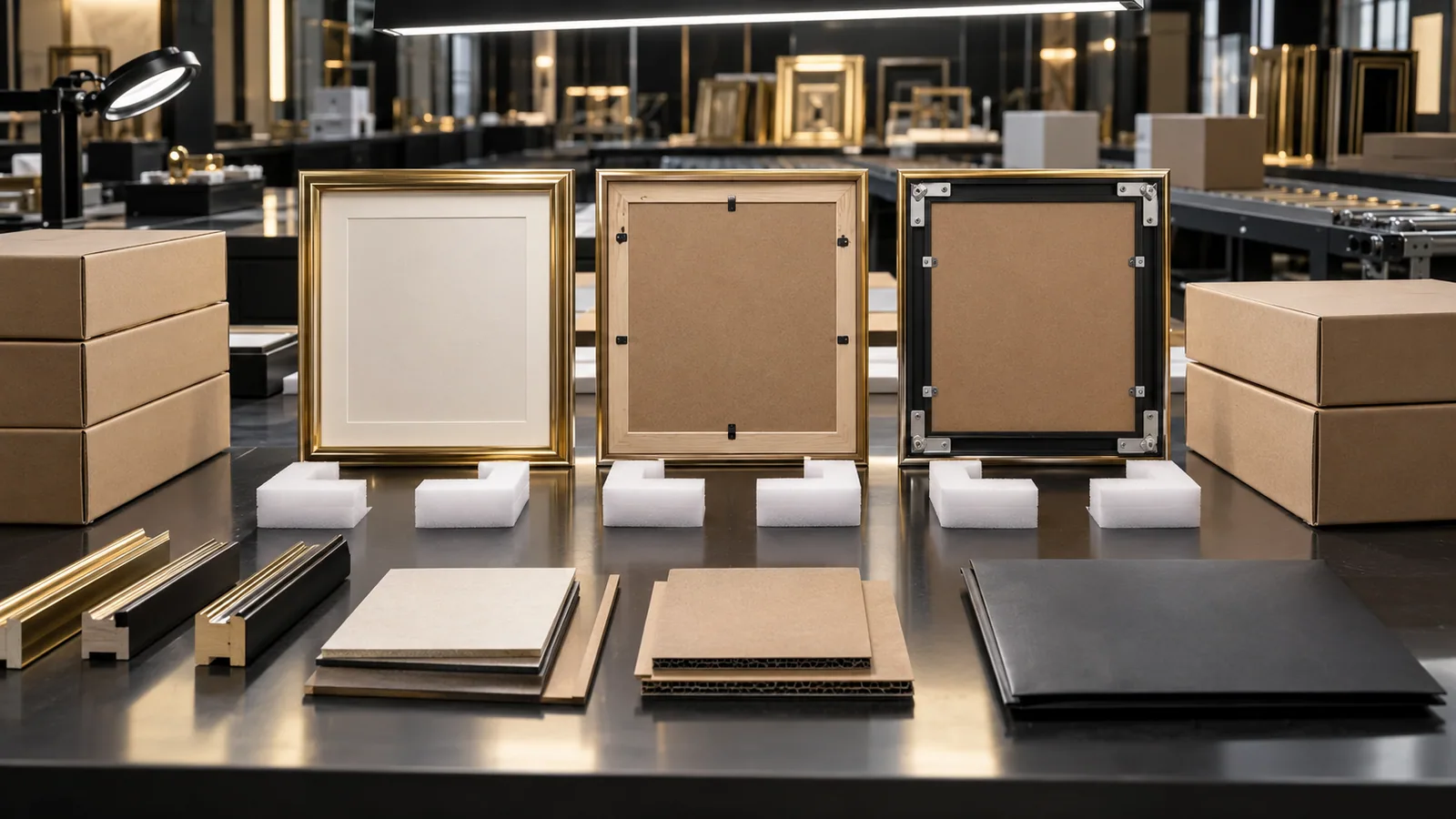
Before release, compare the production unit and pack with the retained sample, BOM, photographs and ruling facts. Verify model, materials, contents, imported condition, origin flow and marking. Retain evidence for the lot and give the broker a clear exception contact.
After entry, reconcile the declared description and classification to the approved internal file. Investigate differences rather than treating a released shipment as proof that the process was correct. Use the first shipment to improve handoffs before volume increases.
Pre-submission checklist
- The request concerns a genuinely prospective import
- The legal question and commercial decision are defined
- Published rulings were compared without treating them as approval
- The imported condition is frozen and photographed
- Materials, components, functions and included items are complete
- Manufacturing and origin facts are mapped by country
- Variants are limited and clearly compared
- A representative sample strategy is confirmed
- Attachments use accepted formats and a clear index
- Requester, parties, ports and prior-advice statements are reconciled
- Confidential information is identified with qualified advice
- Broker implementation and change control have named owners
Experience scope and project limits
Editorial review: Jessica, Founder & Project Advisor at DOREMI Display. Updated 29 October 2026. Jessica's experience scope covers B2B display-frame specifications, material and component records, supplier quotations, samples, packaging, private-label handovers and production change coordination. She is not presented as CBP, a licensed customs broker, customs attorney or tariff specialist.
The appropriate ruling route, question, product grouping, confidentiality request, classification, origin, marking and entry treatment must be determined from the actual facts and current law. This guide prepares an evidence handover. It does not create a ruling, predict CBP's decision or confirm that any shipment may use another party's ruling.