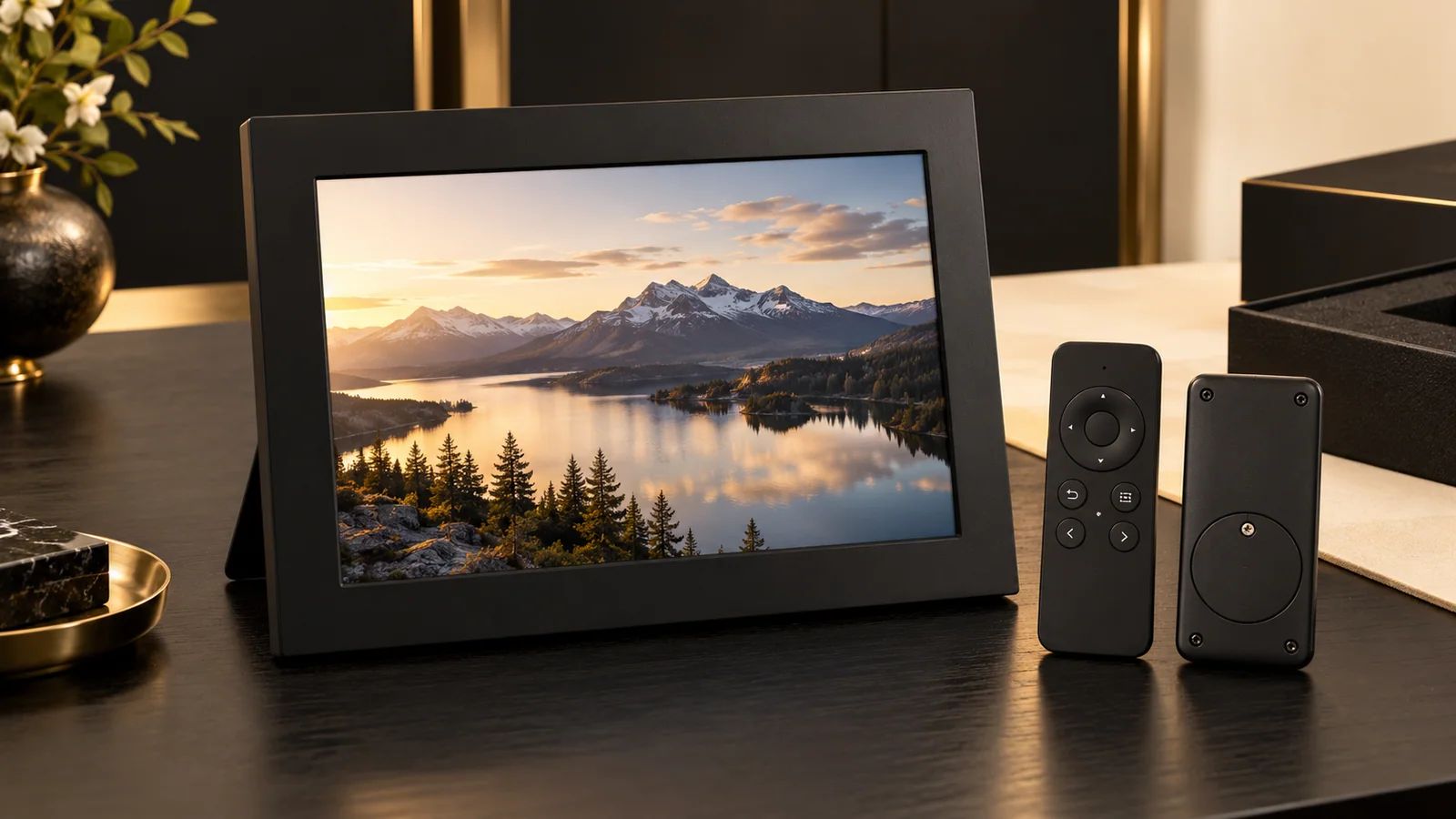
A coin battery inside a digital photo frame remote is easy to overlook because the screen, app and wireless module receive most of the engineering attention. For a U.S. retail pack, however, that small remote can create a separate safety, testing, warning and certification workstream under Reese's Law and 16 CFR part 1263.
This guide is for U.S. importers, private-label brands, retailers, marketplace sellers and overseas OEM teams. It turns the public CPSC requirements into a procurement handover. It does not decide whether a particular product is in scope, approve a design, interpret a licensed standard, create a General Certificate of Conformity or replace advice from CPSC, a qualified laboratory, counsel or the importer of record.
What are buyers really asking?
The visible query is often “Does UL 4200A apply to my digital frame remote?” The order decision is wider: which cell ships, whether it is replaceable, how the compartment is secured, which sample is tested, which warnings are released, whether a loose spare battery is included, who issues the certificate and which data the broker needs for CPSC eFiling.
Google Search Central says AI search features may explore connected subquestions and rely on the same people-first foundations as ordinary Search. This article answers those connected project questions. The search intent is an editorial inference from public regulator guidance and procurement workflow; DOREMI does not claim direct access to private AI Overview output.
Start with the exact retail pack
List every powered item: frame, remote, clock or memory backup, stand sensor, accessory light and any separate battery. Record cell chemistry, designation, supplier, voltage, dimensions, whether it is installed or separately packed, and whether the user can access it. Photograph the product, battery door, fastener, tray and package arrangement.
Do not base the decision on the frame name alone. A Bluetooth remote, infrared remote and app-only version may have different batteries or no remote. The U.S. bill of materials, quotation, test request, artwork and purchase order should all identify the same configuration.
Separate the remote from an internal soldered cell
A replaceable coin cell in a handheld remote presents a different construction from an internal cell soldered inside the display assembly. Ask the responsible specialist to review each location against the statutory and regulatory definitions, exclusions and applicable product standards. Do not assume that evidence for an inaccessible internal cell covers the remote.
If the supplier changes from a replaceable remote cell to rechargeable power, the new design still needs its own battery, charging, transport and product-safety review. “No longer a coin cell” does not mean “no battery workstream.” Keep the scope decision and the design evidence together.
Freeze the compartment before requesting a test
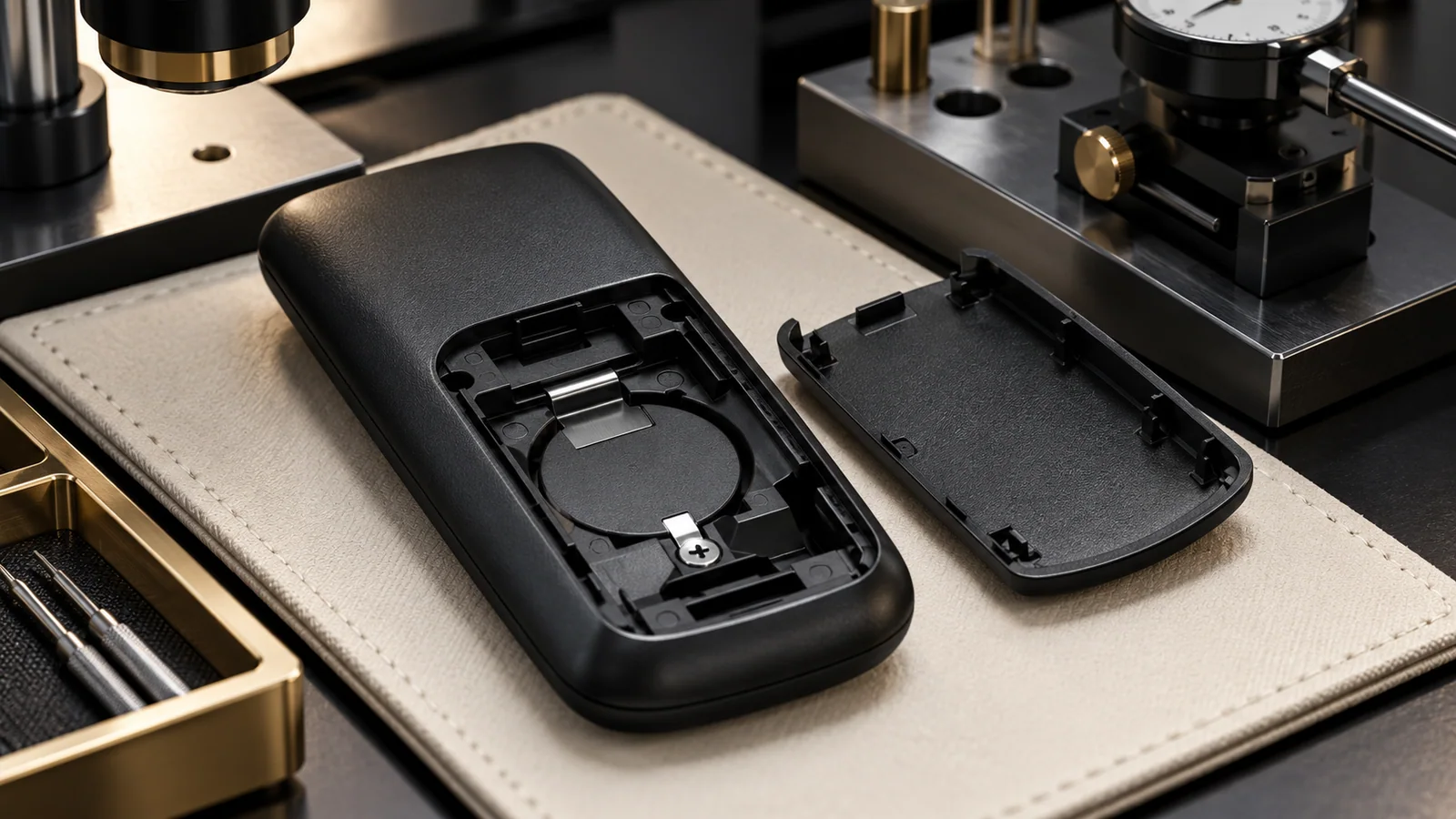
The CPSC business guidance explains that a replaceable button or coin battery compartment must require a tool or at least two independent and simultaneous hand movements to open. A remote designed around a screw therefore needs a durable boss, suitable thread engagement, a door that stays aligned and a fastener arrangement that remains secure after expected use.
Specify whether the screw is captive, the tool required, the tightening method and the production inspection. A sample that passes only because an operator overtightened it is not a stable manufacturing solution. Review mould wear, resin, screw supplier and assembly torque as part of the control plan.
Plan for use-and-abuse evidence
CPSC guidance incorporates ANSI/UL 4200A-2023 for covered products and describes performance requirements intended to prevent access or battery liberation during reasonably foreseeable use and abuse. The responsible laboratory should define the sequence, conditioning, sample count and acceptance criteria for the exact remote.
Give the laboratory production-equivalent parts. A hand-built remote, different resin or temporary screw can create an irrelevant result. Record sample serials, tooling revision, component lot and pre-test photographs. Keep the full report, not only a pass statement or a screenshot.
Control the battery as a named component
Record the cell manufacturer, model, chemistry, dimensions, terminals, packaging and any markings required by the applicable rules. A same-size substitute may behave differently in fit, leakage, short-circuit risk or package evidence. Require written approval before changing the cell.
Define installation polarity and contact geometry so the cell cannot sit loosely or be forced into an unstable position. The manual and production work instruction should match the physical tray. Quality inspection should verify the cell, orientation, door closure and fastener without opening every finished package unnecessarily.
Treat a separately packed spare battery as a separate decision
Reese's Law also addresses packaging for button or coin batteries sold or included separately with a consumer product. CPSC guidance links that workstream to child-resistant packaging requirements and specific battery-package warnings. A loose coin cell in a small bag is not an acceptable default simply because the installed cell compartment is secure.
If the commercial team wants a spare, ask a qualified owner to confirm the required packaging, tests and markings. Compare the service benefit with the added compliance and handling burden. Record whether the battery is installed, separately packed or omitted from each SKU and sales channel.
Build the warning artwork from the current rule
The covered product, outer package and accompanying instructions can each have warning requirements. Obtain the current required wording, symbols, size, contrast and placement from the responsible U.S. specialist and licensed source. Do not redraw a small warning from a competitor's pack or an online image.
Create an artwork matrix listing every required field, source, location, minimum size, colour rule, translation policy and owner. Check a printed production proof at actual size. A technically correct warning can fail its purpose if it is hidden under a label, lost on a patterned background or reduced during dieline scaling.
Choose GCC or CPC only after classifying the product
CPSC guidance says manufacturers or importers of products subject to Reese's Law must issue a General Certificate of Conformity for general-use products or a Children's Product Certificate for children's products. A digital photo frame is not automatically a children's product because it can display family photographs, nor is it automatically general-use because the marketing team prefers that category.
Review design, intended users, packaging, advertising, themes, retail placement and other classification factors with qualified counsel or a product-safety specialist. If the product is a children's product, additional testing and certificate rules may apply. Keep the classification rationale with the test and marketing file.
Prepare certificate data before the shipment
For a general-use product, connect the finished model to the applicable rules, manufacturer or importer, production date and place, test date and place, records custodian and supporting testing or reasonable testing programme. Ensure every name, address and model identifier matches the commercial documents.
Do not ask the factory to invent the U.S. importer or certify legal responsibilities that belong to another entity. The OEM can supply reports, production records and product identity. The responsible U.S. party must own the final certificate decision and maintain accessible records.
Include 2026 CPSC eFiling in the broker handover
CPSC states that, beginning 8 July 2026, importers of most regulated consumer products must electronically file certificate data for imported shipments, with a later date for goods entered from a Foreign Trade Zone. Because this article is updated after that general effective date, the buyer should treat certificate data as a pre-entry dataset, not a post-arrival document.
Ask the customs broker which identifiers, citations and message-set fields are needed for the exact entry. Run a mapping exercise before the first commercial shipment. The existing DOREMI Journal guide on CPSC eFiling covers the broader broker workflow; this guide focuses on making the Reese's Law remote evidence usable in that workflow.
Map variants instead of testing a vague family
Create a matrix for remote style, battery, battery door, screw, housing material, supplier, frame model, brand, package and manual. Identify what is identical and what changes. Ask the laboratory and certificate owner which variants can share evidence and why.
Colour alone may be low risk, while a smaller housing or new mould can change the compartment structure. A new brand can change warning layout even if the remote is physically identical. Keep technical-family and artwork-family decisions separate, then link both to the sellable SKU.
Translate the report into factory controls
A report does not tell the assembly line how to reproduce the passing sample. Release drawings, resin specification, screw and door part numbers, approved cell, assembly sequence, torque or closure method, inspection fixture and defect photographs. Train inspectors to recognize missing screws, stripped bosses, warped doors and incorrect cells.
Use incoming, in-process and final checks proportionate to risk. Record lot identity and corrective action. If a nonconforming compartment is found, quarantine affected units and investigate the window of exposure rather than replacing one screw and releasing the carton.
Inspect the complete retail package
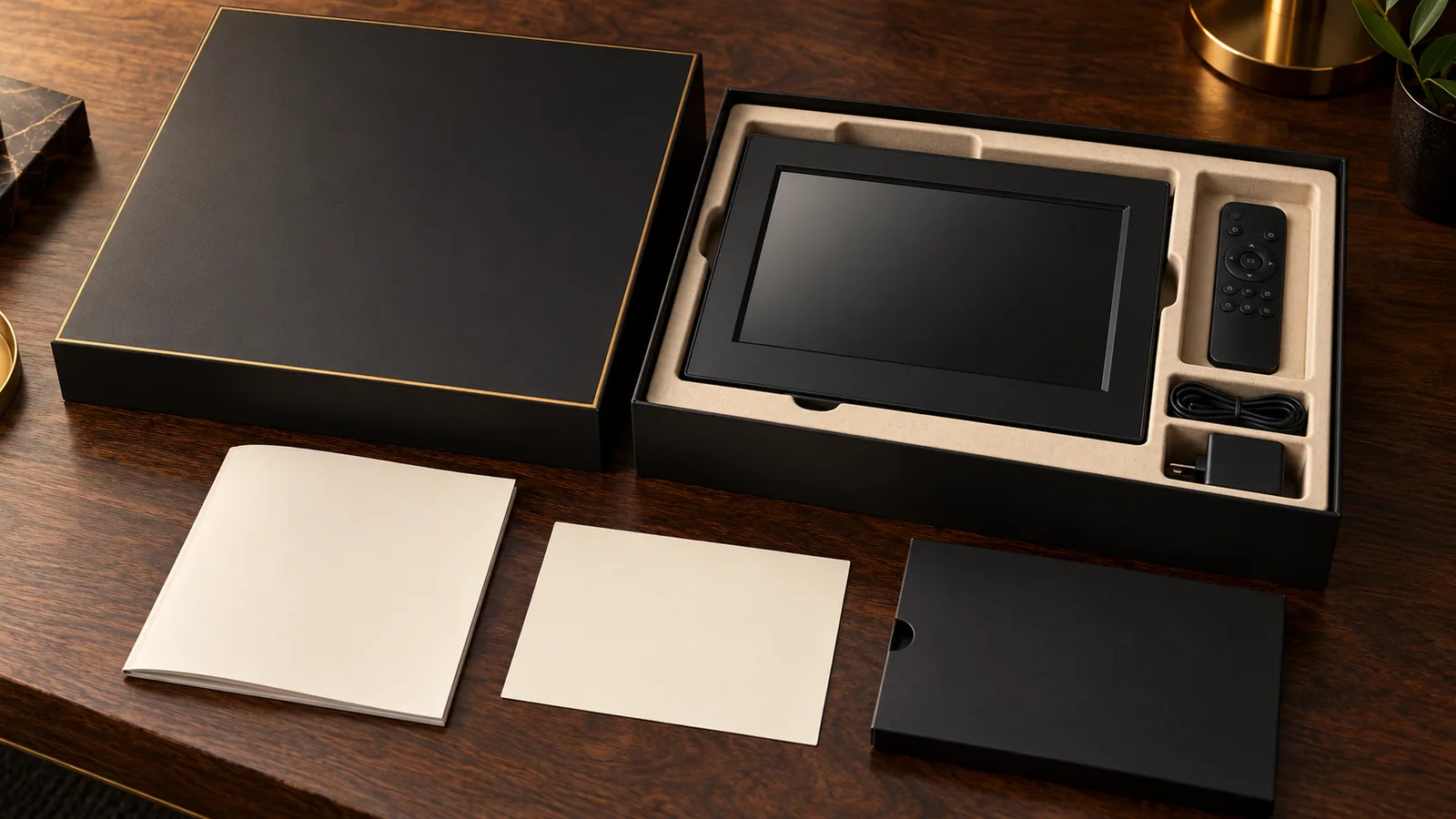
Pre-shipment inspection should compare the remote, cell, fastener, frame, outer package, manual and warning proof with the approved baseline. Check that the door remains secure after functional testing and that no spare cell has been added informally. Confirm warning visibility on representative retail packs.
Photographs can prove configuration but not regulatory compliance. Retain the inspection record alongside the approved sample, report, certificate dataset and artwork revision. The objective is a traceable connection from tested construction to shipped unit.
Control online claims and replacement parts
Do not market the product as “CPSC approved” or “Reese's Law certified” unless counsel has confirmed accurate wording. CPSC requirements are not a quality award. Describe the secure compartment and included accessories truthfully without implying that a government agency endorsed the model.
Replacement remotes and batteries need the same identity discipline. A service team should not ship an older remote with a different door or a loose cell in an ordinary envelope. Link after-sales part numbers to approved construction, packaging and warning instructions.
Run change control before every reorder
Require the OEM to declare changes to the remote housing, mould, door, screw, battery, contacts, electronics, package, warning, manual and product marketing. Compare the change with the tested and certified baseline before production. Ask the laboratory or responsible expert whether retesting or certificate updates are needed.
Archive superseded drawings and artwork. A product that looks the same from the front can contain a materially different remote. Procurement should release one current configuration and block silent substitutions caused by component shortages.
Buyer release checklist
- Every battery in the retail pack is identified by location, type and supply condition
- The U.S. product and intended-user classification is documented
- The remote compartment design and fastener are frozen
- Production-equivalent samples follow a qualified test plan
- The full report matches the sellable remote and battery
- Any separately packed battery has its own packaging decision
- Product, package and instruction warnings use approved current artwork
- GCC or CPC ownership and data are assigned
- The 2026 eFiling dataset is mapped with the broker
- Variant coverage has a written rationale
- Factory assembly and inspection controls reproduce the tested sample
- Pre-shipment inspection verifies the complete retail pack
- Replacement parts follow the same controls
- Reorders trigger documented change review
Questions for the OEM, laboratory and importer
Ask the OEM: Which batteries ship and where? Is the remote cell replaceable? Which mould, screw, door and resin match the sample? What changes across brands and frame sizes? Can the factory provide drawings, bills of materials, production records, samples and signed change declarations?
Ask the laboratory and U.S. owner: Is the product in scope? Which standard and tests apply? Is it general-use or children's? Which warnings are required? What supports the certificate? Which data must be eFiled? What changes require retesting or certificate revision?
Experience scope and project limits
Editorial review: Jessica, Founder & Project Advisor at DOREMI Display. Updated 19 October 2026. Jessica's practical scope covers B2B digital-frame specification, supplier evidence handover, samples, packaging, artwork coordination and production change control. DOREMI is not presented as CPSC, a testing laboratory, standards developer, importer of record, customs broker or legal adviser.
Use this guide to organize a buyer–OEM project. Reese's Law, current CPSC rules and guidance, the licensed standard, the exact product and qualified U.S. advice control the final scope, testing, warning, certificate and filing decisions.